
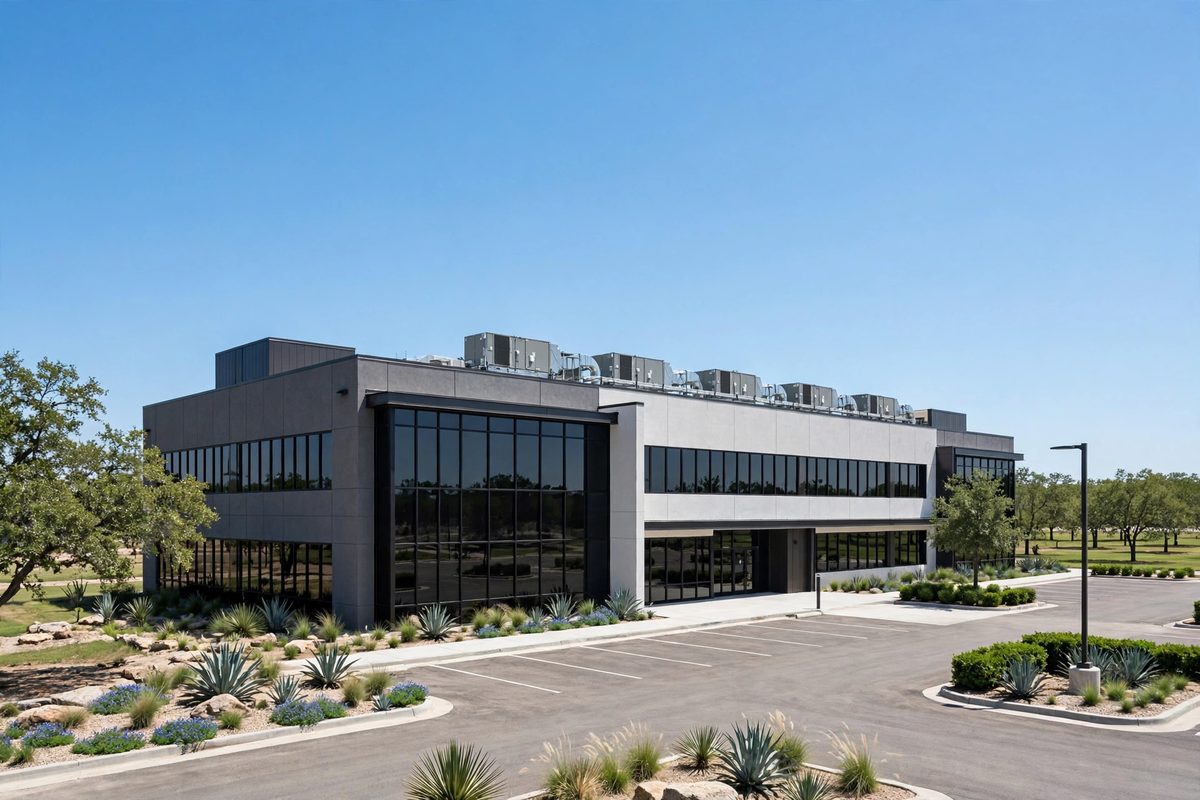
Dallas does not have a cooling season. It has a cooling siege. From late spring deep into fall, the sun pounds the rooftops, the overnight lows stay warm, and every commercial system in the metroplex runs like it is being chased. If you manage hvac dallas properties, you already know. The heat here does not just make systems work harder. It changes how they fail.
This guide covers the nine ways Texas heat punishes commercial HVAC, what each one costs you, and the maintenance plan that Dallas buildings actually need. Not the generic kind. The Dallas kind.
1. Compressors run hotter and die younger
A compressor is a pump that hates heat. In mild climates it cycles on and off with rest between. In Dallas it runs for hours at a stretch against hundred-degree air. Head pressures climb. Oil breaks down faster. Windings cook a little more each summer.
The result is straightforward: hvac dallas compressors live shorter lives than the same models up north. Budget for it. When a compressor fails here, check the whole system’s heat history before dropping in a new one, or the replacement inherits the same short life.
2. Coils foul faster than the manual says
Cottonwood season, construction dust, and kitchen grease coat rooftop coils fast. Dirty coils cannot shed heat, so the system runs longer and the compressor works harder. In Dallas, the once-a-year coil cleaning in the manufacturer’s book is not enough. Twice a year is the honest schedule, spring and midsummer.
A fouled coil also fakes other symptoms. Weak cooling, high bills, short cycling. Techs who skip the coil check and reach for refrigerant gauges misdiagnose Dallas systems every week.
3. Refrigerant pressures run at the edge
Hot ambient air pushes condensing pressures up. A system charged perfectly in April can run at the ragged edge in August. Marginal charges that would limp along elsewhere fail here outright.
This is why hvac dallas techs weigh in charge rather than guessing, and why your maintenance visit should include real superheat and subcooling numbers. “Looks about right” is not a measurement. In this heat, close is not close enough.
4. Electrical parts bake
Capacitors, contactors, and boards live in metal boxes on sun-beaten roofs. Dallas rooftop temperatures can run thirty degrees above the air temperature. Electrical parts age with heat, and they age fast here.
The U.S. Department of Energy notes that heat is a leading killer of HVAC electrical components in hot climates. Expect capacitor and contactor replacements as routine maintenance, not surprises. A good shop stocks them by the case.
5. Drain lines grow things year-round
Algae does not take winters off in Texas. Condensate drains stay wet and warm for most of the year, which is paradise for slime. Clogged drains flood more Dallas commercial spaces than any other single failure.
Monthly drain checks during the long season beat quarterly ones. Tablets help. Flushing helps more. The buildings that never flood are the ones somebody looks at every month.
6. Ducts in hot attics and plenums lose more
Duct runs through unconditioned spaces pick up brutal heat gain. Leaky ducts in a Dallas attic do not just waste energy. They deliver warm air to the zones and force the system to run longer to satisfy the thermostat.
Sealing and insulating ductwork pays back faster here than anywhere else in the country. If your hvac dallas energy bills climb every summer while comfort falls, ducts are suspect number one.
7. Thermostats and controls drift
Heat and power fluctuations punish electronics. Sensors drift. Thermostat calibration wanders. Building automation glitches that would stay hidden in mild weather show up as hot and cold calls from tenants.
Calibrate controls every spring. Test every zone, not just the one by the manager’s office. A five-dollar calibration can save a five-hundred-dollar service call.
8. Power quality punishes equipment
Summer storms and grid strain bring sags, spikes, and outages. Commercial HVAC hates all three. A brownout can stall a compressor and burn it out on restart. A spike can take a two-thousand-dollar board in a blink.
Surge protection on commercial units is cheap insurance in Dallas. So is a restart delay. Ask your tech about both. The buildings that ride out storm season are the ones that prepared for it.
9. Night never gives the system a break
Up north, cool nights let equipment rest and recover. Dallas nights in high summer stay in the eighties. The system runs around the clock, and heat-soaked rooftops radiate warmth back into the building all night.
This is the quiet killer. Everything above compounds because nothing ever cools down. Your maintenance plan must assume continuous duty, not the cycling duty the equipment brochure imagined.
The Dallas maintenance plan that actually works
Generic advice fails here. This is the schedule that keeps hvac dallas buildings running.
Spring, before the heat: full coil cleaning, refrigerant charge verified by weight and measurement, electrical components tested and weak ones replaced, drains flushed, belts and filters fresh, controls calibrated, economizer tested. This visit decides your summer.
Midsummer: coil check and rinse, drain check, filter change, amp draws recorded, a walk of every zone with a thermometer. Catch the drift before it becomes a failure.
Fall: filters, belts, a look at what the summer did, and heat-side checks if the same units heat in winter. Dallas winters are short but sharp, and heat failures in January are embarrassing.
Monthly, by your own staff: drain terminations, unusual noises, filter condition on high-use zones. Ten minutes with a clipboard. The U.S. Environmental Protection Agency also reminds building operators that refrigerant leaks must be repaired by certified techs, so flag oily residue early and let the pros handle it.
Put the program on a contract with a local shop that knows hvac dallas duty cycles. The tech who knows your roof beats the tech reading it for the first time, especially at midnight in August.
Cost factors unique to Dallas
Three local facts move every quote. First, the season is long, so parts and labor demand peaks for months. Book maintenance early. Emergency rates apply to a bigger share of the calendar here.
Second, rooftop access in August heat slows every job. Techs work slower and safer on a 150-degree roof, as they should. Do not begrudge the hours. The alternative is a rushed job that fails.
Third, replacement sizing. Dallas buildings often need the full rated tonnage, not the optimistic kind. An undersized replacement that “should be fine” will run constantly and die young. Size for the actual load on the worst day, not the average one.
When to call an hvac dallas pro instead of waiting
Dallas managers learn to triage. Some symptoms can wait for the scheduled visit. These cannot.
Call now if you smell burning or see smoke, if water is pouring from the unit or the ceiling, if the breaker trips repeatedly, or if indoor temperatures are climbing past ninety with people in the building. Those are safety issues, not comfort issues.
Call today, not tomorrow, if one zone is down while the rest run, if the system short-cycles, or if energy use spikes without explanation. An hvac dallas tech who sees these early usually fixes them cheap. The same symptoms ignored for a month become the emergency call that costs ten times more.
When you call, say you run hvac dallas equipment and describe the symptoms in order: what you see, what you hear, what you smell. Five facts get a truck rolling faster than five minutes of story.
Picking an hvac dallas contractor
Local matters more here than in mild markets. You want a shop that has sweated through August on roofs like yours.
- Deep local references. Ask for three Dallas-area building managers, and call all three.
- Proof they stock common parts. In a long hot season, “we can order it” means days of suffering.
- A real emergency line with a live dispatcher. Test it once before you need it.
- Maintenance contracts built for Texas duty cycles, not copied from a northern template.
- Written quotes, license and insurance verified, lien waivers on big jobs.
For after-hours failures, our guide to emergency ac service near me covers the first thirty minutes. For system-wide trouble, see commercial hvac repair.
Frequently asked questions
Why does hvac dallas equipment fail more in August?
Heat compounds everything. Coils are dirtiest, pressures are highest, electrical parts are weakest, and the system never rests. August is when every marginal component in an hvac dallas building gives up at once.
How often should Dallas commercial systems be serviced?
At minimum twice a year, spring and midsummer, with monthly drain and filter checks by staff. Once-a-year service is a northern schedule. It does not survive Texas.
Is it worth replacing an old unit before it dies?
Often yes in this market. An aging unit limps through one more August and then fails on the worst day of the next one. Planned replacement in spring costs less than emergency replacement in August, and the efficiency gains are real.
Do cool roofs help commercial HVAC in Dallas?
They help a lot. Reflective roofing cuts rooftop temperatures dramatically, which lowers the load on every unit up there. If your roof needs work anyway, pair it with the HVAC plan. Our roofing guides cover the options.
What size system does my Dallas building need?
The one sized by a proper load calculation for design-day conditions, not by rule of thumb or by matching the old unit. Dallas design temperatures punish undersizing. Insist on the math.
Next steps
Schedule the spring visit now, before the rush. Walk your roofs and write down every unit’s age and brand. Put the emergency number on the mechanical room door. Dallas heat is not going anywhere, but with the right plan, neither is your cooling. The buildings that stay comfortable all summer are not lucky. They are maintained.