
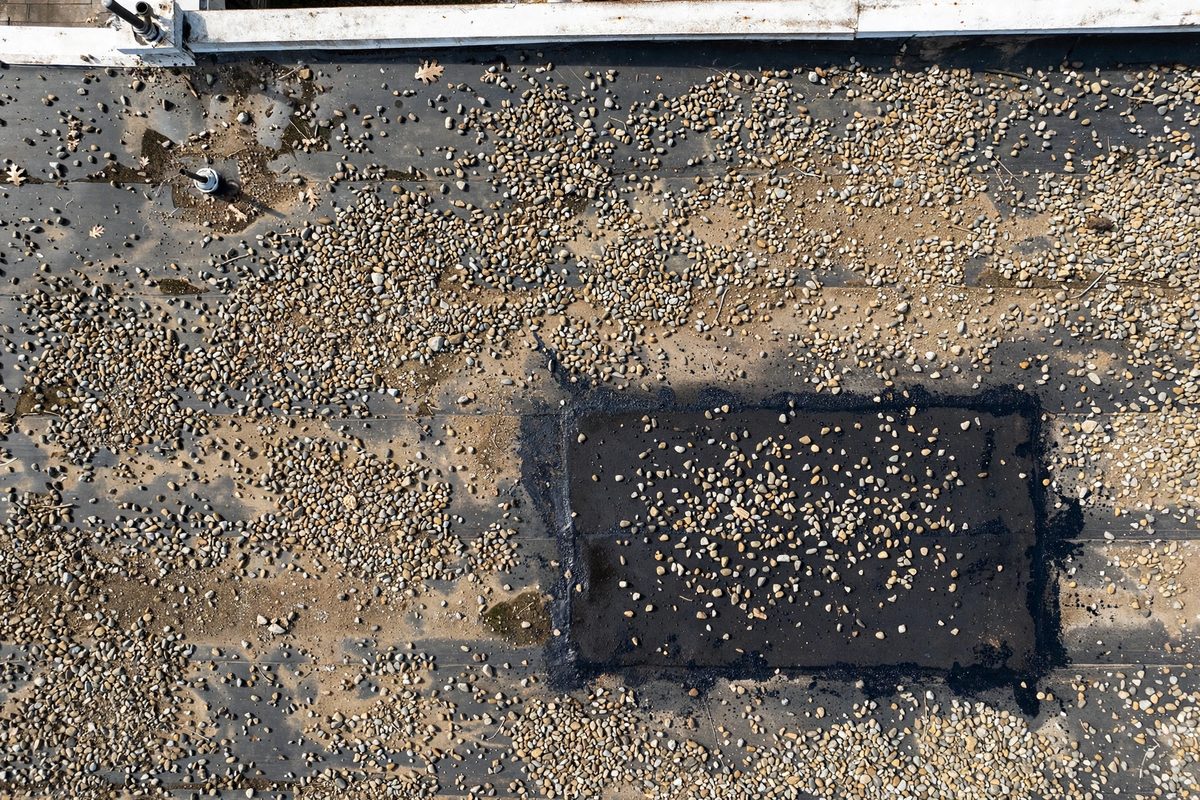
A leaking roof never fixes itself. Every week you wait, water finds new paths into your building. This guide to commercial roofing repair covers what the work includes, what it costs, and how to hire the right crew. Read it before you sign any contract.
What Commercial Roofing Repair Covers
Commercial roofing repair means fixing damage on a business building without tearing off the whole roof. The work targets leaks, worn seams, punctures, and weak flashing. A good crew finds the real source of the problem, not just the stain on the ceiling below.
Most commercial roofs are flat or low slope. They use membranes like TPO, EPDM, or modified bitumen. Some use built up layers of tar and gravel. Others are metal. Each type fails in its own way. Membrane roofs split at the seams. Gravel roofs develop soft spots. Metal roofs rust at the fasteners.
A typical commercial roofing repair visit starts with an inspection. The crew walks the full roof and checks drains, edges, and rooftop units. They look for ponding water, which is water that sits for more than two days after rain. They probe soft areas with a firm push of the boot. Then they mark every trouble spot with paint so nothing gets missed.
Small fixes include sealing seams, patching punctures, and resetting loose flashing. Bigger jobs replace whole sections of membrane or rebuild a drain area. The goal is always the same. Stop the water and add years to the roof you already have.
Warning Signs Your Building Needs Commercial Roofing Repair
Water stains on ceiling tiles are the most common clue. They often show up far from the actual leak. Water travels along beams and decking before it drips. By the time you see a stain, the damage may be weeks old.
Look up at the roof after heavy rain. Puddles that linger point to poor drainage. Clogged drains force water to sit on the membrane. Standing water speeds up wear and adds weight the structure was not built to carry.
Check the edges and flashing. Flashing is the metal or membrane strip that seals where the roof meets walls, vents, and curbs. When flashing pulls loose, wind driven rain gets under the roof system. You may see peeling paint or damp walls near the roof line.
Inside the building, watch for musty smells. Trapped moisture feeds mold in insulation and decking. Musty air near the top floor often means the roof is letting water in. Do not ignore it. Mold remediation costs far more than a patch.
Rising energy bills can also signal trouble. Wet insulation loses its power to block heat. Your heating and cooling units work harder to hold the set temperature. If bills climb with no change in use, the roof may be part of the cause.
What Commercial Roofing Repair Costs
Cost is the first question every owner asks. The honest answer is that commercial roofing repair prices swing wide. A simple seam seal on a small roof may run a few hundred dollars. A large section replacement can run into the tens of thousands.
Several factors set the price. Roof size matters most. Crews price much of the work by the square foot. A 50,000 square foot roof costs more to service than a 5,000 square foot roof, even for the same type of fix.
Roof type matters too. Single ply membranes are quick to patch. Built up roofs take more labor. Metal roof fixes need special fasteners and sealants. Steep or hard to reach areas add labor time and safety gear.
The extent of hidden damage is the wild card. A small surface crack can hide soaked insulation below. Good contractors cut a test square to check the layers before they quote. Be wary of any bid given without an on roof inspection. It is a guess, not a quote.
Access and timing affect price as well. A roof crowded with HVAC units takes longer to work around. Emergency calls cost more than scheduled work. If you can wait for a normal slot, you will pay less.
Get three written bids. Each should list the problem areas, the fix for each, the materials to be used, and the warranty terms. Bids that differ wildly usually differ in scope. Ask each bidder to explain what the others missed.
How to Hire a Commercial Roofing Repair Company
Hiring right matters more than haggling over price. Use this checklist before you sign.
- Confirm the company works on commercial roofs, not just houses. The skills and safety rules differ.
- Ask for proof of license and insurance. Call the insurer to confirm the policy is active.
- Get three local references for similar buildings. Drive by one if you can.
- Ask who will supervise the crew on site each day.
- Get the scope in writing: problem areas, materials, and exact fixes.
- Ask about the warranty. You want coverage on both materials and labor.
- Ask how they handle bad weather delays.
- Confirm cleanup. Nails and scraps should never be left on your roof or lot.
A solid contractor welcomes these questions. One who dodges them is telling you something. Trust the pattern, not the pitch.
For background on industry standards, the National Roofing Contractors Association publishes guides on proper repair methods. For worker safety rules on rooftops, see OSHA.
If your building has a metal roof, read our guide to commercial metal roof repair before you call. For flat membrane systems, see commercial flat roof repair. And if the damage came from a storm, start with repair commercial roof.
Maintenance Tips That Cut Repair Bills
The cheapest repair is the one you never need. Walk your roof twice a year, in spring and fall. Bring a camera and a notepad. Photograph every seam, drain, and flashing detail.
Keep drains and gutters clear. Leaves and trash block water flow. A five minute cleaning prevents ponding that rots membranes.
Trim back overhanging branches. Limbs scrape the surface in wind and drop debris that holds moisture. Keep trees cut well back from the roof edge.
Log every visit. Note the date in plain words, what was found, and what was fixed. A simple log helps you spot patterns and proves maintenance if a warranty claim ever comes up.
Fix small problems fast. A two inch split sealed today is a patch. The same split ignored for a season becomes soaked insulation and a far bigger bill. Speed saves money with roofs.
Commercial Roofing Repair and Insurance Claims
Storm damage changes the money picture. If wind or hail caused the damage, your property insurance may cover the commercial roofing repair. Call your agent before any work starts. Most policies require prompt notice of damage.
Document everything. Photograph the damage from the roof and from inside. Save pieces of blown off membrane or flashing. Write down the storm date in plain words. Adjusters trust clear records.
Get the contractor’s damage report in writing. A good report lists each damaged area and the likely cause. Give a copy to the adjuster. It speeds the claim.
Know your deductible. Small claims below the deductible are not worth filing. Large storm losses are. Your agent can run the numbers with you.
Frequently Asked Questions
How much does commercial roofing repair cost?
Most small fixes run from a few hundred to a few thousand dollars. Larger section work can reach five figures. The final number depends on roof size, roof type, and how much hidden damage the crew finds. Always get an on roof inspection and three written bids.
How long does commercial roofing repair take?
Small patches take a day. Section replacements take several days to two weeks, depending on size and weather. A good contractor gives you a written schedule and updates you if rain pushes the work.
Can commercial roofing repair wait until next season?
Small, dry issues can sometimes wait for a planned slot. Active leaks cannot. Water damage grows every week. If you see stains, drips, or ponding, call now. Waiting turns a repair into a replacement.
Will insurance cover commercial roofing repair?
It depends on the cause. Sudden damage from storms or accidents is often covered. Slow wear from age and neglect usually is not. Read your policy and call your agent before the work starts. Take photos of all damage first.
How do I know if I need repair or a full replacement?
A rule of thumb: if less than a quarter of the roof is damaged and the rest is sound, repair makes sense. If damage is widespread, the membrane is brittle, or repairs keep failing, replacement is the smarter spend. An honest contractor will tell you which one fits.
Next Steps
Start with a roof walk and a camera. Note every stain, puddle, and loose edge. Then call two or three commercial roofing repair companies for on roof inspections. Compare their written scopes side by side. Pick the crew that explains the work clearly, not the one with the lowest guess. A well done commercial roofing repair buys your building years of dry, quiet service.