Some roof jobs suit a handy owner. Most do not. Commercial roofs are big, complex, and risky to walk. Knowing which commercial roof repairs belong to pros saves money and prevents injury. This guide names the five jobs pros do best. It also shows what you can safely handle yourself.
Why commercial roof repairs Belong to Pros
Height kills. Falls are the top danger in roofing work. Pros train for it. They use harnesses, anchors, and guards. They know which decks hold weight and which do not. An owner with a ladder and good intent is still at risk.
Skill matters too. Finding a leak source takes practice. Water travels under membranes. The stain inside rarely sits under the hole. Pros read the signs. They probe, cut test cores, and trace water paths. Guesswork wastes money on wrong fixes. Good commercial roof repairs start with true diagnosis.
Warranties add a third reason. Many roof makers void cover if uncertified hands do the work. Check your terms before anyone climbs up. A pro crew keeps your warranty alive.
5 Jobs Pros Do Best in commercial roof repairs
These five belong to trained crews. Do not DIY them.
- Leak tracing and repair. Pros find the true source, not just the stain. They seal it with matched materials. The fix holds because the cause is gone.
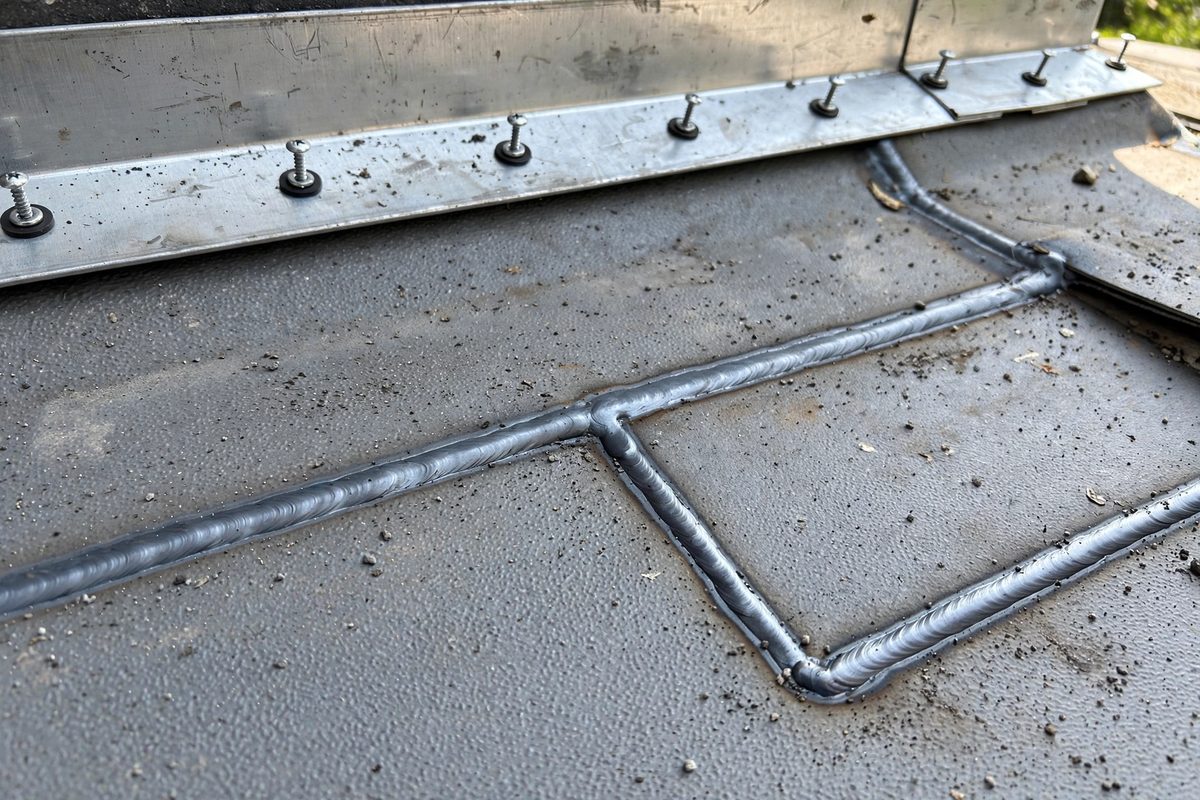
- Seam welding and gluing. Single-ply seams need heat welders or proper adhesive. Bad seams fail fast. Trained hands make them last.
- Flashing replacement. Pipes, curbs, and vents need cut-to-fit flashing. Poor flashing leaks within months. Pros shape it right the first time.
- Drain and scupper work. Ponding water rots roofs. Pros re-pitch drains and clear internal leaders. Water flows off instead of sitting.
- Coating application. Elastomeric coatings need clean prep and even coats. Pros know mil thickness and cure times. Thin or dirty coats peel.
Each of these commercial roof repairs needs tools, training, and safety gear most owners lack. Hire it out.
What You Can Safely Do Yourself
Owners are not helpless. Safe ground-level tasks help plenty. Clear debris from gutters you can reach with a stable ladder. Keep roof access doors locked so only trained staff go up. Log leaks with photos and notes. Trim branches that overhang the roof. Watch energy bills for sudden climbs.
Never walk a wet roof. Never pull at loose membrane. Never pour sealant from a hardware store onto a commercial membrane. Wrong products trap water and void warranties. When in doubt, call. A quick pro visit beats a ruined roof.
What commercial roof repairs Cost
Honest ranges help you budget. Minor leak repairs run 300 to 1,200 dollars. This covers small patches and single flashing fixes. Mid-size jobs run 1,200 to 5,000 dollars. Think multi-seam work and drain rebuilds. Major section work runs 5,000 to 15,000 dollars or more.
Emergency calls add 50 to 100 percent. After-hours rates sting. But water damage grows by the hour. Weigh the fee against the harm. Most owners find fast action cheaper in the end.
Get itemized quotes. Each job should list separately. Ask how long each repair should last. A straight answer beats a low number with no detail.
How Pros Find Leaks in commercial roof repairs
Leak tracing is part science, part art. Here is how good crews work.
They start inside. Stains, drips, and smells map the damage zone. Then they go up. They walk the area above the stains, looking for faults. They probe soft spots with a foot or a tool. Soft means wet below.
Next come tests. Flood testing soaks a suspect area while a watcher checks inside. Infrared scans find wet insulation at night. Wet spots hold heat longer and glow on camera. Core cuts confirm. A small plug shows every layer. Dry layers mean the leak is nearby. Wet layers map its spread.
This methodical work is why pro commercial roof repairs succeed where guesses fail. You pay for the finding as much as the fixing.
Choosing a Crew for commercial roof repairs
Hire with care. Use this checklist.
- Licensed and insured in your state, verified by phone.
- Real experience with your roof type and size.
- Local references from the last two years.
- Written quotes with line-item detail.
- Labor warranty of at least one year.
- Safety plan for your building height.
Meet the foreman before work starts. Ask how they will trace your leak. Ask what they do if rain comes mid-job. Plain answers signal honest work. Vague talk signals trouble. The National Roofing Contractors Association offers hiring checklists for owners.
Red flags: no license, cash only, full payment up front, no local address, pressure to sign today. Walk away from any of these.
When Repairs Are Not Enough
Honest pros say when to stop patching. Watch for these signs. Leaks return in new spots each season. The membrane is failing across the field. Insulation stays wet between visits. Drying never catches up. Repair bills near half the cost of replacement. Money spent patching is money lost.
When you hear this news, get a second opinion. Two firms agreeing means the call is right. Then plan the replacement. Good timing saves money. Off-season slots cost less. Phased work keeps you open. The firm that told you the truth about repairs earns the replacement job.
Working With Your Insurance on commercial roof repairs
Storm damage may be covered. Age and wear are not. Know which one you have before you call.
Document fast. Photo every fault. Note the storm date and type. Keep repair quotes in the file. Call your agent promptly. Policies set claim deadlines. Miss them and you pay alone.
Walk with the adjuster. Point at each damaged spot. Share your pro quotes. Prepared owners get fair settlements. If the claim is denied, get the reason in writing. You can appeal with more evidence. Keep every letter and email.
Some owners fear rate hikes from claims. Ask your agent plainly. Small claims may not be worth filing. Big storm losses usually are. Do the math with real numbers.
Upkeep That Cuts Repair Bills
Repairs fix damage. Upkeep prevents it. Build this routine.
Inspect twice a season. Spring catches winter harm. Fall catches summer harm. Clear drains after every big storm. Keep HVAC techs from dragging tools across the membrane. Ask them to use walk pads. Log all roof visits. Note who went up and why.
Consider a service agreement. A crew visits on schedule, fixes small faults, and reports big ones. The fee is modest. The savings are real. Ask your commercial roof repairs firm what plans they offer.
Reflective coatings help in hot regions. They cut heat stress on seams and fasteners. The Department of Energy explains how cool roofs lower building costs. Less stress means fewer repairs over time.
Related Reading
To understand full fix options, see commercial roof repair. When you need a firm, read commercial roof repair company. For metal roofs, see commercial metal roof repair.
Keep a Roof Log
Paper beats memory. Keep a simple log for your roof. Note each inspection in plain words. List what was found and fixed. Staple in quotes, invoices, and warranty papers. Photo the roof twice a season from the same spots.
This log does quiet work. It proves upkeep for warranty claims. It helps new contractors learn your roof fast. It shows buyers the roof was cared for. A thin folder today saves thick headaches later. Start yours this week.
FAQ
How quickly should commercial roof repairs happen after a leak starts?
Fast. Water spreads daily through insulation and decks. Call within days, not weeks. Emergency service exists for active leaks pouring inside.
Can commercial roof repairs wait until dry weather?
Small, contained leaks can wait for a fair day. Active pouring cannot. Temporary patches and tarps hold until crews can work safely. Never send anyone onto a wet roof.
Do I need to leave the building during repairs?
Rarely. Crews phase work and keep paths clear. Some adhesives smell. Ask the foreman about odors and timing. Most tenants stay put with a little planning.
How long do pro commercial roof repairs last?
Small patches often hold three to five years. Rebuilt sections can last a decade or more. Ask for the expected life of each fix in writing before you approve.
Will repairs match the existing roof?
Close enough to work, rarely perfect. New membrane looks brighter than aged stock. Function matters more than looks on most commercial roofs. Ask to see material samples first.
Next Steps
Walk your property this week. Note stains, ponding, and debris. Call a pro crew for anything beyond basic clearing. Get quotes in writing. Fix small faults fast. The five pro jobs above cover most commercial roof repairs you will ever need. Handle them right and your roof serves for years. Start today and stay dry.