
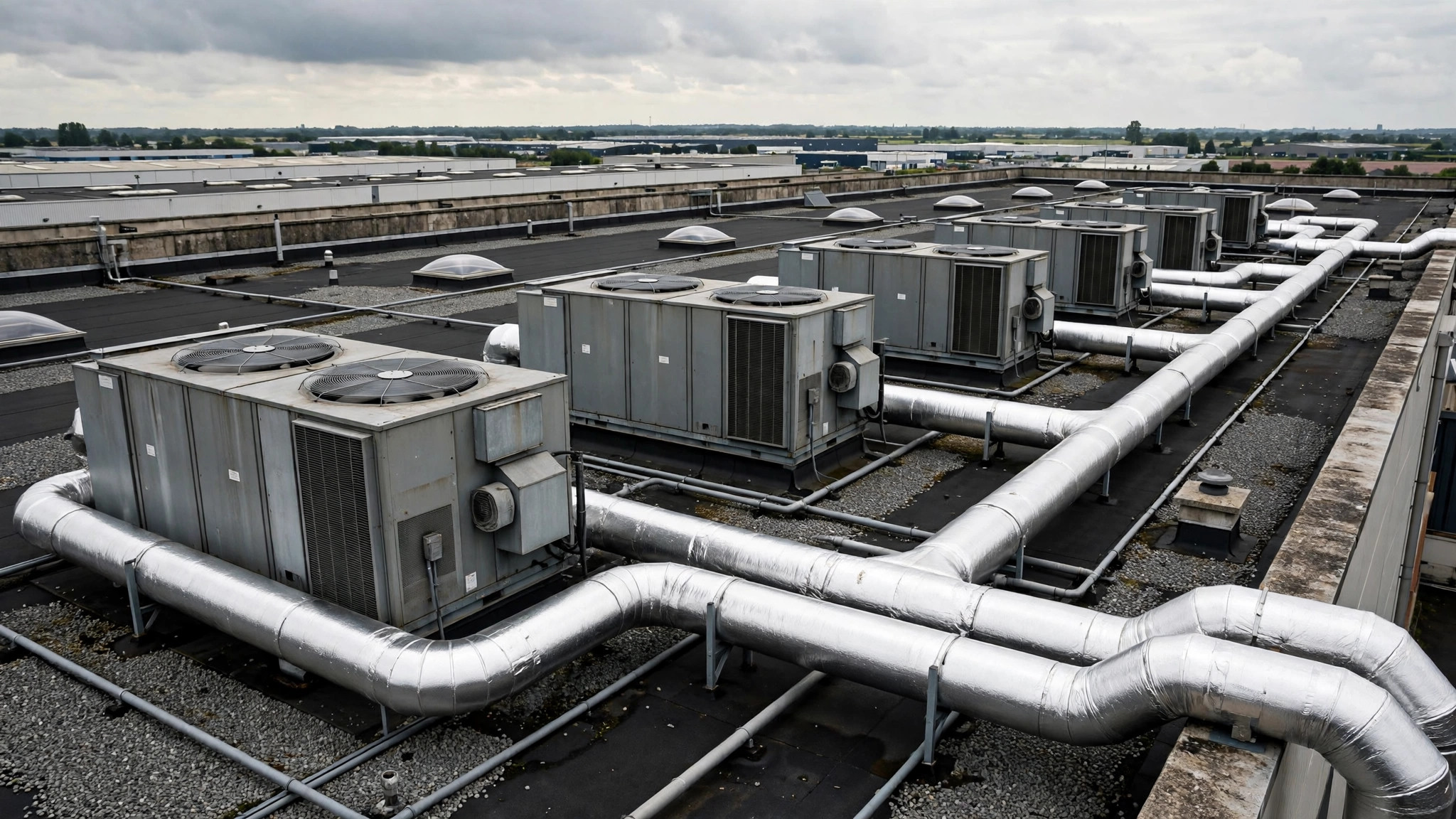
Your building runs too hot in summer and too cold in winter. Tenants complain. Energy bills climb every quarter. These are the classic signs that commercial heating and cooling services belong on your to-do list. This guide explains what those services cover, what they cost, and how to pick a firm you can trust.
Nobody should sign a service contract blind. Too many owners pay for visits that change nothing. Others skip maintenance and pay triple in emergency repairs. Read this guide once. You will know exactly what to ask for and what a fair price looks like.
What commercial heating and cooling services Cover
Most commercial heating and cooling services firms handle the full life of your building’s climate systems. That means furnaces, boilers, rooftop units, split systems, ventilation, and controls. They install new equipment. They repair breakdowns. They tune systems for efficiency. They keep indoor air quality within safe limits.
A full-service firm also manages the small stuff that matters. Filter changes. Belt replacements. Thermostat calibration. Duct inspections. These small jobs stop big failures. Skipping them is the most common mistake owners make.
Not all commercial heating and cooling services are equal. Some firms only do repairs. Others only sell installs. The best ones offer planned maintenance, emergency response, and energy audits under one roof. One phone number beats three.
Heating Services Your Building Needs
Commercial heating looks nothing like a home furnace. Warehouses, offices, and retail spaces run boilers, rooftop heat pumps, unit heaters, and radiant systems. Each needs its own service approach. A firm that only knows residential gear will guess on your equipment. Ask what commercial systems they service before you hire.
Fall tune-ups are the backbone of heating service. A tech cleans burners, checks gas pressure, tests safety controls, and inspects heat exchangers for cracks. Cracked exchangers leak carbon monoxide. That is a life-safety issue, not just comfort. The U.S. Department of Energy notes that regular tune-ups keep heating equipment running safely and efficiently. See their guidance at [energy.gov](https://www.energy.gov/energysaver/home-heating-systems).
Boilers need extra care. Water treatment, pressure checks, and vent inspection keep them safe. Ask your firm if they hold boiler licenses in your state. Some states require them. An unlicensed tech on a boiler is a risk you do not want.
Cooling Services That Keep Tenants Happy
Summer comfort starts in spring. A spring cooling tune-up should include coil cleaning, refrigerant checks, drain clearing, and electrical testing. Dirty coils alone can raise energy use by a wide margin. Clear condensate drains stop the ceiling leaks that ruin tenant relations.
Refrigerant work needs certified techs. Federal rules require proper handling and leak repair. Ask for the firm’s refrigerant certification. A serious company shows it without being asked. The EPA rules are strict here, and fines fall on the building owner as well as the contractor.
Rooftop units deserve special attention. They take the full beating of sun, rain, and wind. Gaskets crack. Panels loosen. Drain pans rust. A tech who walks every unit twice a season catches these faults early. That habit separates good firms from average ones.
7 Warning Signs You Need commercial heating and cooling services
If three or more of these sound familiar, commercial heating and cooling services are overdue at your building.
- Uneven temperatures. One zone freezes while another sweats. This points to airflow or control problems.
- Rising energy bills. Costs climb with no change in use. Inefficient equipment is the usual cause.
- Strange noises. Banging, grinding, or hissing from units. These sounds mean parts are failing.
- Short cycling. Equipment starts and stops every few minutes. This wears parts fast and wastes energy.
- Bad smells. Musty odors mean mold in ducts or pans. Burning smells mean electrical trouble.
- Frequent breakdowns. Two or more emergency calls a season. Reactive repairs cost more than planned care.
- Equipment over 15 years old. Old systems lose efficiency every year. Parts get scarce. Plan the replacement.
- System count and size. One rooftop unit costs less to maintain than twelve. Tonnage and building size drive the base price.
- Equipment age. Older systems need more parts and more labor hours per visit. Expect higher contract prices past year twelve.
- Visit frequency. Monthly visits cost more than quarterly ones. Busy or sensitive buildings justify the extra trips.
- Scope of work. Filter changes only is cheap. Full tune-ups with coil cleaning and controls checks cost more.
- Emergency coverage. Contracts with 24-hour guaranteed response carry a premium. Worth it for tenant-occupied buildings.
- Parts included. Some plans cover parts up to a dollar limit. Others bill parts separately. Read the fine print.
- Building access. Rooftop work needs lifts or cranes. Tight mechanical rooms slow techs down. Access problems add labor.
- Labor market. Rates differ by city. Big metro areas cost more than small towns. Get local quotes to calibrate.
- Licensed, bonded, and insured in your state, verified by phone.
- Technicians certified for your exact equipment types.
- Local commercial references you can call today.
- Written contract with clear scope, visit schedule, and pricing.
- Guaranteed response time for emergencies, in writing.
- Detailed service reports after every visit.
Do not ignore the quiet signs. High humidity and stale air hurt productivity long before a breakdown. Tenants notice. Lease renewals depend on comfort more than owners admit.
What commercial heating and cooling services Cost
Pricing varies by region and system size. Here are the cost factors that set your bill.
Typical ranges: a single-unit maintenance plan runs 150 to 400 dollars per visit. Multi-unit buildings run 2,000 to 8,000 dollars per year for full coverage. Emergency service calls run 200 to 500 dollars plus parts. Plan ahead and commercial heating and cooling services cost far less than panic repairs.
Maintenance Plans Explained
Most plans come in three tiers. A basic plan covers scheduled filter changes and visual checks. A standard plan adds full tune-ups twice a year plus priority scheduling. A premium plan adds parts coverage, guaranteed response times, and energy reporting.
Read the exclusions. No plan covers everything. Refrigerant, major parts, and after-hours labor are the usual add-ons. Ask what counts as an emergency. Some firms charge emergency rates for any after-hours call. Others reserve the label for true breakdowns.
The best commercial heating and cooling services firms send a written report after every visit. The report lists what was checked, what was found, and what is coming due. This paper trail protects you at budget time and proves diligence if a tenant dispute arises.
Energy Savings and Your Bottom Line
Well-maintained systems use noticeably less energy. Clean coils, correct refrigerant charge, and calibrated controls all cut waste. ENERGY STAR estimates that proper maintenance is one of the cheapest ways to cut a commercial building’s energy use. Their commercial building resources at [energystar.gov](https://www.energystar.gov/buildings) are worth a read.
Controls upgrades pay fast. Smart thermostats and building automation stop the classic waste of heating and cooling at once. A controls audit often finds savings that fund themselves within two seasons. Ask your firm if they offer this audit. Many do.
Rebates help too. Many utilities offer rebates for efficient equipment and tune-ups. Your service firm should know the local programs. If they do not, check your utility’s website directly. Free money is worth a phone call.
Choosing the Right commercial heating and cooling services Firm
Use this checklist before you sign anything.
Interview the lead tech, not just the salesperson. Ask how they diagnose a comfort complaint. Ask what they check on a rooftop unit. Straight, specific answers signal a straight firm. Vague promises signal trouble.
Get three quotes. Compare scope line by line, not just the bottom number. The cheapest bid often leaves out the work that matters. The [ASHRAE](https://www.ashrae.org/) standards are the industry baseline. A firm that follows them knows its trade.
Related Reading
For repair-focused help, see [commercial HVAC repair](/commercial-hvac-repair/). For cooling-only guidance, read [commercial AC repair](/commercial-ac-repair/).
Timing Your Service Right
Schedule heating tune-ups in early fall and cooling tune-ups in early spring. Crews book solid right before each season. Off-season slots cost less and get more attention. Emergency calls during the first heat wave carry premium rates. Plan ahead and skip the rush.
New equipment installs also price better in slow months. If your system limps through summer, get quotes in fall. You will have leverage and time to choose well. Rushed summer installs cost more and get less care.
FAQ
How often should commercial heating and cooling services visit my building?
Twice a year is the minimum: once for heating, once for cooling. Busy buildings, restaurants, and medical spaces often need quarterly visits. Ask the firm what schedule fits your equipment and use.
What is included in a typical commercial heating and cooling services contract?
Scheduled tune-ups, filter changes, priority scheduling, and discounted repairs are standard. Parts, refrigerant, and after-hours labor are often extra. Read the exclusions before you sign.
Can commercial heating and cooling services lower my energy bills?
Yes. Clean coils, correct refrigerant levels, and calibrated controls cut waste. Many owners see noticeable savings after the first full tune-up cycle. Controls upgrades add more.
Should I repair or replace an old rooftop unit?
If the unit is past 15 years and needs a major repair, replacement usually wins. Compare the repair cost against a new unit’s efficiency savings over five years. Your firm should run these numbers with you.
Do I need the same firm for heating and cooling?
It helps. One firm learns your whole system and spots problems across seasons. Split vendors miss the interactions between heating and cooling equipment. Keep it simple with one accountable partner.
Next Steps
Walk your building this week. Note every comfort complaint and odd noise. Call two commercial heating and cooling services firms for quotes. Compare their plans line by line. Check licenses and call references. Sign the careful firm, not the cheapest. Schedule your first tune-up before the season turns. Comfort, savings, and fewer emergencies follow from that one decision. Start today.



