
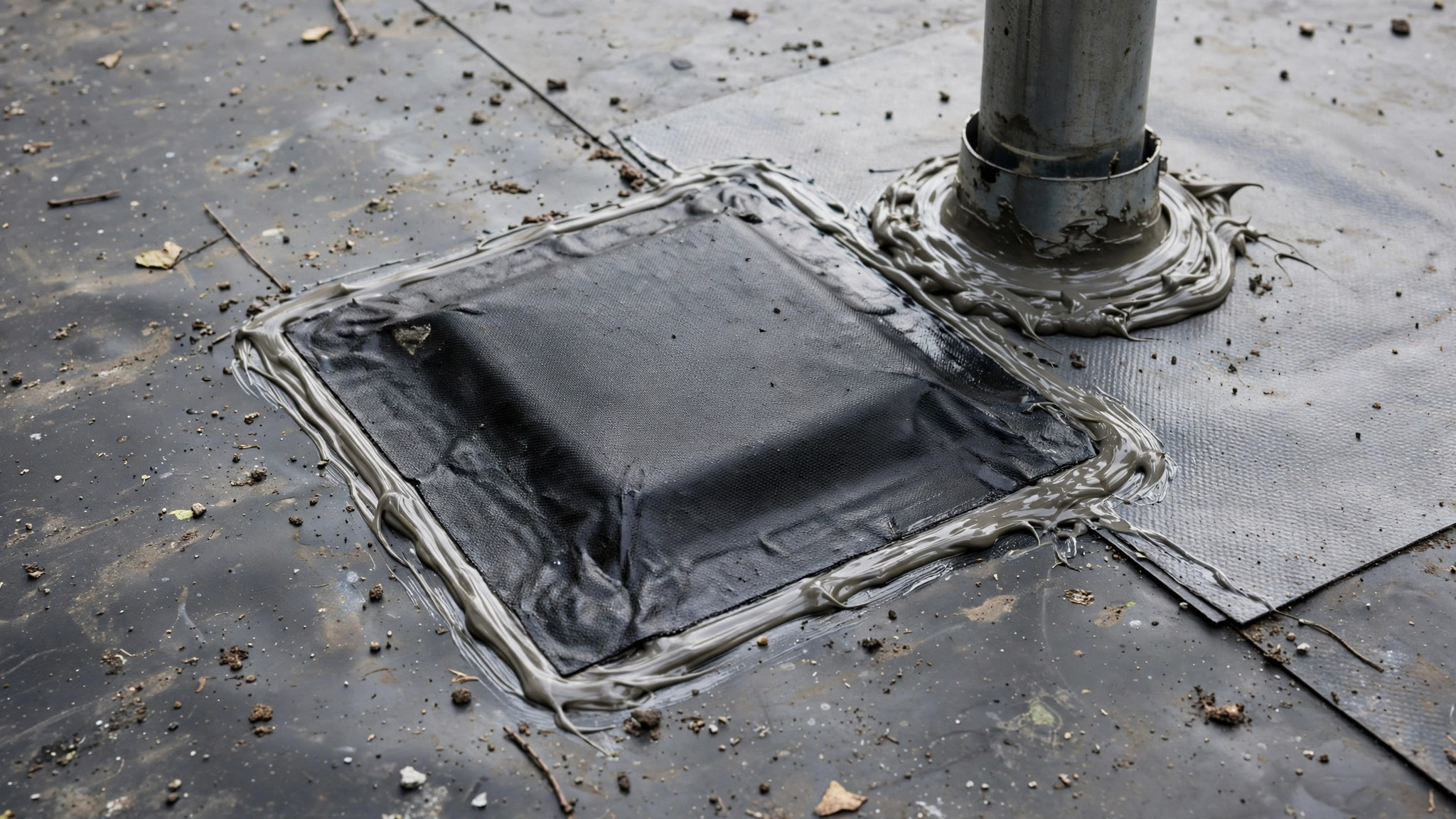
Water stains on a ceiling tile are never just stains. They are a warning that your roof is letting water in. Fast commercial roof leak repair keeps a small problem from turning into rotted decking, ruined inventory, and tenant complaints. This guide walks you through how pros find leaks, how they fix them, and what every step should cost.
Most owners find leaks late. Water travels sideways inside a roof system before it drips. The stain you see may sit twenty feet from the real hole. That is why commercial roof leak repair starts with detective work, not with a bucket of sealant. Pros trace water back to its source, then fix the source. Quick patches over mystery leaks fail fast.
Why commercial roof leak repair Can Not Wait
Water damage compounds daily. A leak that wets insulation today saturates the deck next month. Wet insulation loses its R-value. That raises energy bills even before anyone sees a drip. Mold follows in dark, damp cavities. Tenants notice. Liability grows.
Timing matters in commercial roof leak repair for another reason. Roofing crews charge emergency rates when water is pouring in during a storm. A planned repair visit costs far less. If the leak is slow and contained, call for a scheduled inspection now. Stop it early. Schedule the permanent fix at a fair rate.
Insurance also favors fast action. Policies cover sudden damage but expect owners to limit loss. Letting a known leak run for weeks can weaken a claim. Document the stain. Call the roofer. Keep the records. Fast commercial roof leak repair protects both the building and the claim.
How Pros Find the Leak Source
Good commercial roof leak repair begins above, not below. The crew walks the roof and works outward from a point above the interior stain. They look for failed seams, cracked flashing, clogged drains, punctures from foot traffic, and loose metal work. They probe soft spots that signal soaked insulation.
Infrared scans help on big roofs. Wet insulation holds heat differently than dry areas. A thermographer can map the wet field in minutes. Core cuts confirm it. The crew cuts a small plug, checks each layer, and seals the sample hole. This is real diagnosis. A firm that skips it is guessing, and guesswork is what failed repairs are made of.
10 Steps of commercial roof leak repair
Here is the sequence a competent crew follows.
- Document the interior stain with photos and dates.
- Inspect the roof area above and around the stain.
- Trace the water path using seams, slope, and scan data.
- Cut a core sample to check insulation and deck condition.
- Mark the full wet area, not just the visible hole.
- Remove wet membrane, flashing, or panels at the source.
- Replace soaked insulation; wet boards never dry reliably.
- Patch, reseam, or reflash with materials matched to the roof.
- Test with controlled water or the next rain event.
- Log the repair, materials, and warranty in your roof file.
- Licensed and insured; verify the license by phone.
- Proven experience with your exact roof membrane or metal system.
- Willing to do a full walk-through, not a ground-level glance.
- Detailed written scope: locations, materials, labor hours.
- Workmanship warranty stated in writing with clear terms.
- Recent local references you can call this week.
Each step matters. Skipping the wet-area mapping is the most common error. Crews seal the obvious hole and miss the soaked field around it. The leak returns within months. Real commercial roof leak repair fixes the whole damaged zone, not just the symptom.
Common Causes Worth Knowing
Most commercial roof leak repair jobs trace back to a short list. Flashing failures top it. Flashing seals edges, curbs, and penetrations. It cracks with age and heat cycling. Seam failures come next on single-ply roofs. Adhesive lets go. Wind lifts the edge. Water follows.
Punctures are common on busy roofs. HVAC techs, sign crews, and window washers all drop tools. One screw hole lets in gallons over a season. Clogged drains cause ponding. Standing water finds every weak seam. Know these causes and your roof inspections get sharper. Ask the crew to point at each fault during the walk-through.
Real Price Ranges
Numbers help you judge quotes. Small leak repair work, like resealing a curb or patching one puncture, usually runs 400 to 1,500 dollars. Medium jobs, like reseaming a section or rebuilding a drain, run 1,500 to 5,000 dollars. Large jobs with soaked insulation fields run 5,000 to 18,000 dollars or more.
Emergency calls add to every range. Night and weekend response can add 50 percent or more. Access matters too. A ground-level warehouse costs less to service than a tall downtown building needing lifts. Get three quotes. Compare line items. Ask each firm to mark repair locations on a roof plan.
6 Checks Before You Hire
Hire well and the fix lasts. Use this checklist.
Ask the foreman how they will find the leak source. Ask what they do if rain hits mid-job. Straight answers signal a straight crew. The [National Roofing Contractors Association](https://www.nrca.net/) offers owner guides that explain what a fair repair should include.
Temporary Fixes That Actually Help
Sometimes the permanent fix must wait a few days. Protect the interior now. Place buckets and tarps. Move inventory. In commercial roof leak repair emergencies, a crew can apply a temporary peel-and-stick patch over the suspected source. It holds until the scheduled repair.
Do not mistake the temp patch for the fix. Temporary sealants degrade fast under sun. Log the patch location. Tell the permanent crew exactly where it went. The temp patch buys time, nothing more. Get the real repair on the calendar before the week ends. For worker safety rules on roof access during emergency work, see the guidance from [OSHA](https://www.osha.gov/).
Metal Roof Leaks Need Special Attention
Metal systems leak differently than membranes. Fasteners back out. Washers dry up and crack. Panel seams open with thermal movement. Good commercial roof leak repair on metal starts at the fasteners, not the seams. A crew should check every fastener row in the suspect area and replace failed washers.
Panel replacement beats patching when corrosion has thinned the metal. Sealant over rust is a short-lived fix. Ask the crew to show you the corrosion up close. If more than a tenth of the panels show rust-through, ask about a coating system or a retrofit panel. Spot repairs on a failing metal field waste money. Match the fix to the roof’s real condition.
Preventing the Next Leak
Every commercial roof leak repair is a lesson. Inspect twice a season. Clear drains and scuppers after every storm. Keep foot traffic off the membrane. Use walk pads at service points. Log each check with a short note and photos.
Consider a maintenance agreement. A crew visits on a set schedule, clears drains, reseals small cracks, and reports problems early. The cost is small next to one emergency call. Ask what the plan covers. Get it in writing. Small habits prevent most repeat leaks.
Related Reading
For general pricing help, see [commercial roof repair](/commercial-roof-repair/). For metal systems, read [commercial metal roof repair](/commercial-metal-roof-repair/). For inspection guidance, see [commercial roof inspections](/commercial-roof-inspections/).
FAQ
How fast should commercial roof leak repair happen?
Contain it the same day you spot it. A scheduled permanent repair within one to two weeks is fine for slow leaks. Active dripping during rain calls for emergency response. Do not let any known leak run for weeks.
Why does the stain appear far from the leak?
Water runs along deck seams and insulation layers before finding a gap to drip through. Pros expect this. They trace uphill from the stain to the source. That is why roof inspection beats ceiling inspection.
Can I just seal the visible crack myself?
It may slow the drip, but the source often hides elsewhere. DIY sealant over the wrong spot wastes time and can void warranties. Call a pro for diagnosis. Handle buckets and tarps inside yourself.
Will insurance cover commercial roof leak repair?
Sudden storm damage is often covered. Wear, age, and neglected maintenance are not. Document with photos. File promptly. Policies have claim deadlines. Your contractor quotes support the claim.
How long does a professional leak repair last?
Small patches typically hold three to five years. Section rebuilds with new insulation can last a decade or more. Ask the firm to state the expected life of each fix in writing.
Next Steps
Walk the building this week and note every stain. Call three roofers for inspections. Compare their scopes line by line. Hire the careful crew, not the cheapest quote. Good commercial roof leak repair done once beats a cheap patch done twice. File your quotes, photos, and warranty together. Act while the fix is small. Keep a simple roof log with dates and photos. It helps every future contractor and protects your warranty claims.



