
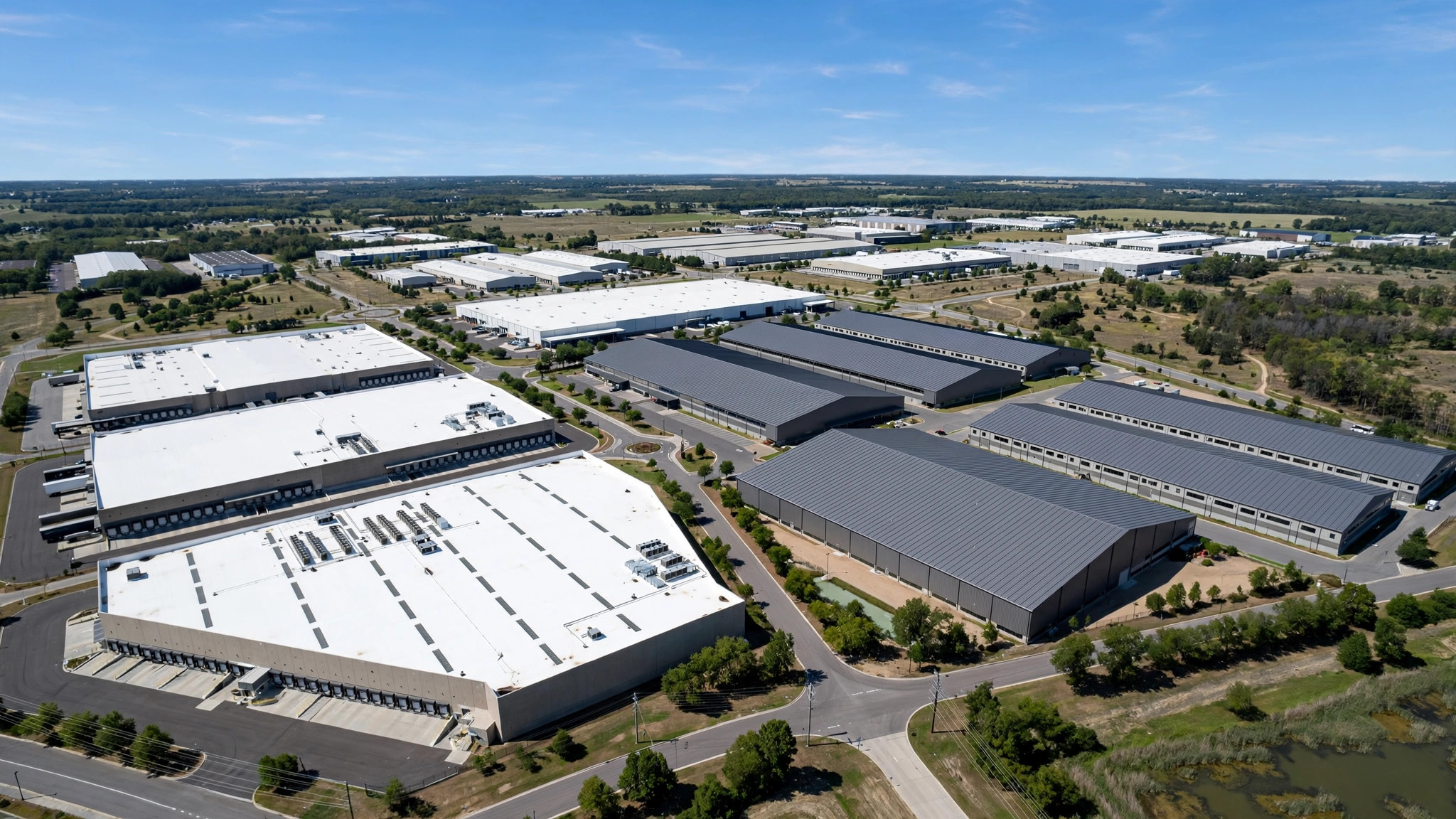
Picking among commercial roofing systems is a high stakes choice. The roof protects everything under it: people, inventory, equipment, and your investment. With several proven systems on the market, each with real strengths, owners need a clear comparison to decide with confidence.
This guide compares six commercial roofing systems head to head. You will learn how each works, what it costs, how long it lasts, and which buildings each suits best.
The 6 Main commercial roofing systems
Six systems dominate American commercial roofing. Here is what each one is.
TPO is a white thermoplastic single ply with heat welded seams. It reflects sunlight, sits in the mid price range, and lasts 20 to 30 years with care. It is the most installed of the commercial roofing systems on new projects today.
EPDM is a black synthetic rubber single ply with taped or glued seams. It has the longest track record, handles cold best, and usually costs least among single plies. Heat absorption is its main drawback in warm climates.
PVC is a thermoplastic single ply like TPO with superior chemical resistance. It heat welds, resists grease well, and costs more than TPO or EPDM. Restaurants and industrial buildings favor it.
Modified bitumen is an asphalt based rolled sheet, applied by torch, hot asphalt, or self adhesion. It is tough under foot traffic and sits in the lower mid price range. It performs reliably with good maintenance.
Built up roofing layers asphalt and felts with a gravel or cap surface. It is the traditional system with the longest history among commercial roofing systems. It costs less upfront in many markets but needs steady maintenance.
Standing seam metal uses interlocking metal panels with concealed fasteners. It costs the most of the six but can last 40 years or more. It suits sloped commercial roofs and owners planning very long holds.
Cost Comparison of commercial roofing systems
Installed cost runs lowest for EPDM and built up roofing in most markets. Modified bitumen and TPO sit in the middle. PVC costs more. Standing seam metal costs the most upfront.
But smart owners compare cost per year, not just purchase price. Divide installed cost by expected lifespan. Standing seam metal often wins this math despite its high first cost. A cheap system replaced twice costs more than a premium system installed once.
Energy effects belong in the math too. Reflective white commercial roofing systems cut cooling bills in warm climates. Added insulation during any re roof trims heating and cooling costs for decades. The Department of Energy explains these savings at energy.gov.
Use this bid checklist for any of the commercial roofing systems:
- Exact system type, brand, and material specs in writing.
- Insulation type and R value.
- Attachment method and wind rating.
- Full flashing and edge metal scope.
- Tear off or overlay plan backed by a moisture survey.
- Warranty term and coverage details.
- Timeline, payment schedule, and cleanup plan.
Lifespan and What Affects It
With quality installation and maintenance, expected lifespans run roughly: EPDM 25 to 30 years, TPO 20 to 30, PVC 20 to 30, modified bitumen 20 to 25, built up 20 to 30 with diligent care, and standing seam metal 40 plus. These ranges assume professional installation and twice yearly maintenance.
What shortens life across all commercial roofing systems? Ponding water, neglected seams and flashing, unchecked foot traffic, and skipped inspections. What extends life? The opposite: clear drains, prompt repairs, walkway pads, and documented maintenance.
Climate matters. UV intense regions punish dark surfaces. Freeze thaw cycles punish stiff materials. Coastal salt air punishes unprotected metal. Match the system to your local conditions, not to a national advertisement.
Choosing Among commercial roofing systems
Start with your roof’s slope. Truly flat roofs need membrane systems: TPO, EPDM, PVC, modified bitumen, or built up. Low slope roofs can use membranes or metal depending on design. Steeper commercial roofs suit standing seam metal best.
Consider building use. Restaurants need grease resistant PVC. Warehouses with heavy traffic need tough membranes and walkway plans. Schools value low maintenance and long warranties. Offices in hot climates gain most from reflective white systems.
Check the structure and budget. Ballasted EPDM needs load capacity. Metal needs proper deck support. Overlay options depend on the old roof’s condition. Your contractor should verify structural and code facts before recommending from the commercial roofing systems list.
Think long term. If you will own the building for decades, premium systems with long warranties pay off. If you plan to sell soon, a solid mid range system with a transferable warranty protects value without over investing. ENERGY STAR guidance on efficient roofing is at energystar.gov.
The Contractor Matters as Much as the System
The best of the commercial roofing systems installed badly will fail early. Vet contractors as hard as you vet materials.
Ask how many installs of your chosen system they do yearly. Ask who supervises and how quality gets checked. Request addresses of past jobs and call the owners. Ask about their safety program. Falls are a leading cause of roofing injuries, and OSHA rules are clear at osha.gov.
Get three detailed bids for identical scope. Compare materials, details, warranties, and the contractor’s answers, not just price. A reputable commercial roofing company explains every line. For help vetting, see our guide to commercial roofing contractors.
Watch for red flags: no manufacturer certification where the warranty needs it, vague flashing scope, large upfront payments, and pressure to sign today. Good contractors give you time and answers.
Maintenance Across All Systems
Every one of the commercial roofing systems needs the same basic care. Inspect in spring and fall. Clear debris and drains. Check seams, flashing, and penetrations. Fix small issues fast. Document everything with photos and notes.
System specific notes: keep grease off EPDM, check TPO welds, watch PVC in chemical zones, maintain coatings on modified bitumen and built up roofs, and check metal panel fasteners and sealants. Tailor the checklist to your system but never skip the routine.
Know the common commercial roof problems for your system type so inspections catch them early. Small repairs caught in spring cost little. The same problems found after a winter of leaking cost far more.
Keep a roof file with warranties, inspection reports, and repair receipts. Most manufacturer warranties require documented maintenance. That file is also gold at sale time, proving the roof was cared for.
Budgeting and Financing Your Roof
Roof projects are capital expenses, so plan the money side carefully. Get your three bids early enough to compare without pressure. Ask each contractor about payment schedules tied to progress, and never agree to large upfront deposits. Keep a contingency for hidden deck damage, which often appears once old roofs come off. Ten percent is a common planning figure.
Financing options exist for owners who prefer to spread the cost. Equipment loans, business lines of credit, and contractor offered plans all appear in commercial roofing. Compare total cost including interest, not just the monthly payment. Some owners time roof replacement with other capital projects to share mobilization costs like cranes and dumpsters, which trims the total.
Think about tax treatment with your accountant before you sign. Roof work may qualify as a repair or a capital improvement, and the two are treated differently at tax time. The right classification depends on the project scope. A quick call before work starts can save real money later and keeps your records clean.
Frequently Asked Questions
Which of the commercial roofing systems is cheapest?
EPDM and built up roofing usually offer the lowest installed cost. But compare cost per year of expected life. A cheap system replaced early can cost more over time than a pricier long lived one.
Which lasts longest?
Standing seam metal, often 40 years or more. Among membranes, EPDM has the longest proven track record at 25 to 30 years. Installation quality and maintenance matter more than small material differences.
Can I install a new system over my old roof?
Often yes, if the old roof is dry, sound, and code allows another layer. A moisture survey decides. Your contractor should verify before recommending an overlay for any of the commercial roofing systems.
Which system is best for a restaurant?
PVC, for its grease and chemical resistance. Make sure exhaust layout and grease containment are addressed in the design.
How do I choose a contractor?
Look for manufacturer certification, years of experience with your chosen system, local references, proper insurance, and clear detailed bids. Never choose on price alone.
Next Steps
You now have a clear comparison of the six main commercial roofing systems, their costs, and how to choose. The next step is a professional inspection to learn your current roof’s condition and remaining life. Then get three detailed bids for the system that fits your building, climate, and plans. Compare full systems and warranties, vet the contractors hard, and keep up maintenance from day one. The right choice among commercial roofing systems will protect your building quietly for decades.



