
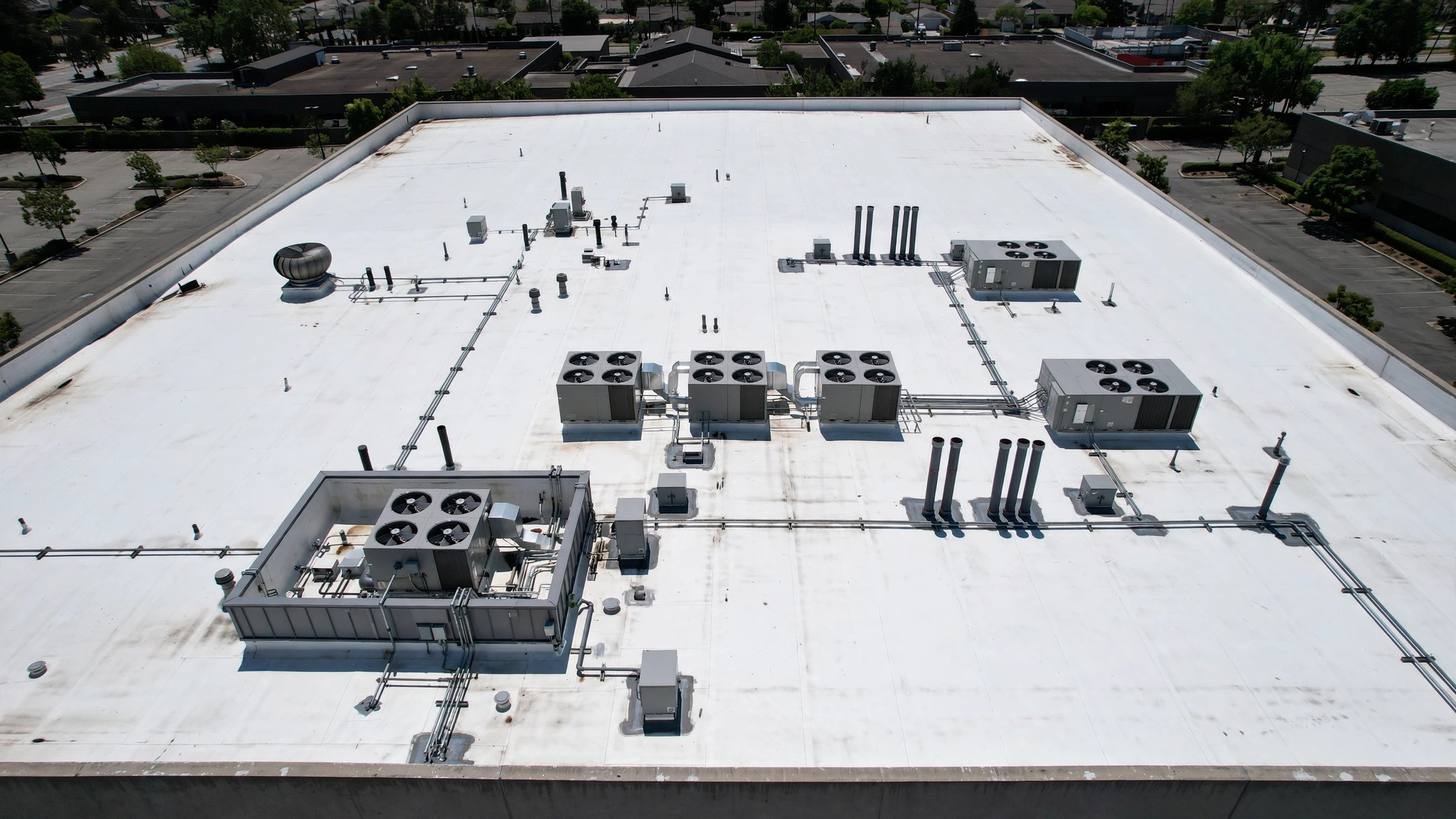
If you own a commercial building, you own a commercial roof. It is one of the most expensive parts of the property and one of the least understood. Most owners think about it only when it leaks. By then, the damage is done and the bill is big. Learning the basics of commercial roofing changes that. This guide covers nine things every owner must know: the systems, the costs, the maintenance, and how to hire right.
Basic 1: Commercial Roofing Is Not Residential Roofing
Home roofs are steep and shingled. Commercial roofs are usually flat or low-slope. Water does not run off fast. It must be guided to drains. The materials are different: membranes, not shingles. The details are different: seams, flashing, and drainage instead of valleys and ridges.
The trades are different too. A residential roofer may not know flat roof systems. Always hire a contractor who does commercial roofing every day. The skills do not transfer as well as people think. Ask for commercial references and commercial project photos.
Basic 2: Know the Main Commercial Roofing Systems
The common systems are TPO, PVC, EPDM, built-up roofing, modified bitumen, and metal. TPO is the popular white single-ply: affordable, reflective, heat-welded seams. PVC is tougher against chemicals and grease. EPDM is the proven black rubber membrane. Built-up roofing is layers of felt and asphalt, very tough. Modified bitumen is the modern take on built-up. Metal, usually standing seam, lasts the longest.
Each suits different buildings and budgets. There is no single best system. The right pick depends on your building’s use, climate, and structure. A good commercial roofing contractor explains the trade-offs instead of pushing one product.
Basic 3: Drainage Decides Roof Life
Flat roofs fail when water sits on them. Ponding adds weight, soaks seams, and grows algae. Good commercial roofing design moves water off fast with proper slope, drains, and scuppers. Keep every drain clear. Check them after storms. Most premature roof failures trace back to drainage, not material.
When you walk your roof, look for water that stays more than two days after rain. That is ponding and it needs attention. Sometimes the fix is simple: a cleared drain. Sometimes the roof needs tapered insulation to fix the slope. Either way, do not ignore standing water.
Basic 4: Maintenance Beats Repair Every Time
A commercial roofing maintenance program costs a fraction of major repairs. Two inspections per year, clean drains, debris removal, and fast fixes for small problems. That is the whole program. Roofs with maintenance last years longer than neglected ones.
Warranties require it. Most manufacturers demand documented maintenance. Skip it and your warranty claim can be denied. Keep photos and reports from every visit. For a visit guide, see the commercial roof maintenance checklist.
Basic 5: Understand What Things Cost
Small repairs run a few hundred dollars. Major repairs run into the thousands. Full replacement is a major capital expense priced per square foot. Coatings cost a fraction of replacement and buy years. Inspections cost a few hundred dollars and are the best money in commercial roofing.
Get bids in writing with the scope spelled out. Compare line by line. The cheapest bid often leaves out the details that make work last. For pricing detail, see commercial roof repair cost per square foot.
Basic 6: Warranties Have Two Parts
The manufacturer warranty covers material defects. The contractor warranty covers installation workmanship. You need both in writing. Manufacturer terms run 15 to 30 years on many systems. Contractor terms are shorter, often 2 to 10 years.
Read the exclusions. Ponding, unapproved equipment additions, and missed maintenance commonly void coverage. If you plan to add solar or HVAC units later, ask how it affects the warranty. File every inspection report. Claims without records get denied.
Basic 7: Hire the Right Commercial Roofing Contractor
This decision matters more than the material choice. A great crew makes an average system last. A bad crew ruins the best materials. Check licensing, insurance, and manufacturer certifications. Call references. Look at old work, not just new work.
Get the contract in writing with full scope, schedule, payment terms, and warranty. Never pay in full upfront. Walk the finished job before final payment. For vetting help, read how to choose a commercial roofing contractor.
Basic 8: Plan for Replacement Before You Need It
Every roof has a lifespan. Track your roof’s age and condition with inspection reports. When repairs get frequent and expensive, start planning replacement. Emergency replacements cost more and give you no time to compare bids.
Budget for it over years, not months. A replacement fund started early turns a crisis into a planned project. Ask your roofer for a frank opinion on remaining life at each inspection. Plan with real numbers, not hope.
Basic 9: Keep Records of Everything
Every inspection report, every repair invoice, every warranty paper, every photo. Keep them in one place. These records prove warranty compliance, guide future decisions, and add value when you sell the building. Buyers pay more for buildings with documented commercial roofing care.
Start the file today if you do not have one. Ask your roofer for copies of past work. Take fresh photos. A complete record is one of the most valuable things an owner can have. It turns the roof from a mystery into a managed asset.
Commercial Roofing and Energy
Your roof affects your energy bills. Dark roofs absorb heat. White reflective membranes bounce it back. In warm climates, a reflective commercial roofing system cuts cooling loads noticeably. The U.S. Department of Energy recognizes cool roofs as an effective energy saver.
Insulation matters as much as the surface. Good insulation under the membrane keeps heat where it belongs. When replacing a roof, upgrading insulation often pays back fast. Ask your contractor about insulation options and the energy math. The NRCA publishes guidance on roofing and energy performance.
Safety on Commercial Roofs
Roofs are dangerous workplaces. Falls are the leading cause of death in construction. Anyone who goes on your roof should follow OSHA fall protection rules. As the owner, you share responsibility for safety on your property. Hire contractors with real safety programs.
Limit roof access. Use a sign-in log. Keep unauthorized people off. One careless visitor can damage the roof or get hurt. Simple access control protects both the roof and your liability. Make safety part of your commercial roofing program from day one.
Storms and Commercial Roofing
Storms test every commercial roofing system. High wind attacks edges and flashing. Hail bruises membranes. Debris punctures surfaces. After any major storm, inspect the roof. Look for lifted edges, torn membrane, clogged drains, and interior stains. Photograph everything before cleanup.
Quick action after storms protects your insurance claim. Most policies require prompt reporting and reasonable steps to limit damage. Temporary tarps and patches count. Waiting weeks raises questions. Keep a storm plan: know who to call, where emergency materials are, and how to reach your insurer fast.
Prevention beats reaction. Strong edge metal, tight flashing, and clear drains help roofs survive storms. Regular maintenance means the roof faces the storm in good shape, not already weakened by years of neglect.
FAQ
How long does a commercial roof last?
It depends on the system and care. Single-ply membranes often last 20 to 30 years. Built-up roofs can reach 30 years. Metal can exceed 40 years. Maintenance is the biggest factor. Neglected roofs die young regardless of material.
How often should a commercial roof be inspected?
At least twice per year, in spring and fall. Add checks after major storms. Buildings with heavy foot traffic or nearby trees benefit from more frequent visits. Follow your warranty’s required schedule.
What is the cheapest commercial roofing system?
EPDM and TPO are usually among the most affordable to install. But cheapest to install is not cheapest to own. Compare total cost over expected life, including maintenance and energy. A slightly pricier system often wins on lifetime cost.
Can a commercial roof be repaired or must it be replaced?
Many problems can be repaired, especially when caught early. Replacement makes sense when damage is widespread, insulation is saturated, or repair costs approach replacement cost. An honest contractor shows you the math for both.
Do I need a permit for commercial roofing work?
Usually yes for replacements and major repairs. Permit rules vary by location. Your contractor should handle permits as part of the job. Unpermitted work can cause problems with insurance and resale.
Next Steps
Walk through the nine basics above and grade your own building. Do you know your roof system? Is drainage clear? Is maintenance scheduled? Are records filed? Fix the gaps starting this month. Book an inspection, start a record file, and put maintenance on the calendar. Commercial roofing rewards owners who pay attention. Be one of them, and your roof will repay you with reliable service for decades. Attention today prevents emergencies tomorrow.



