
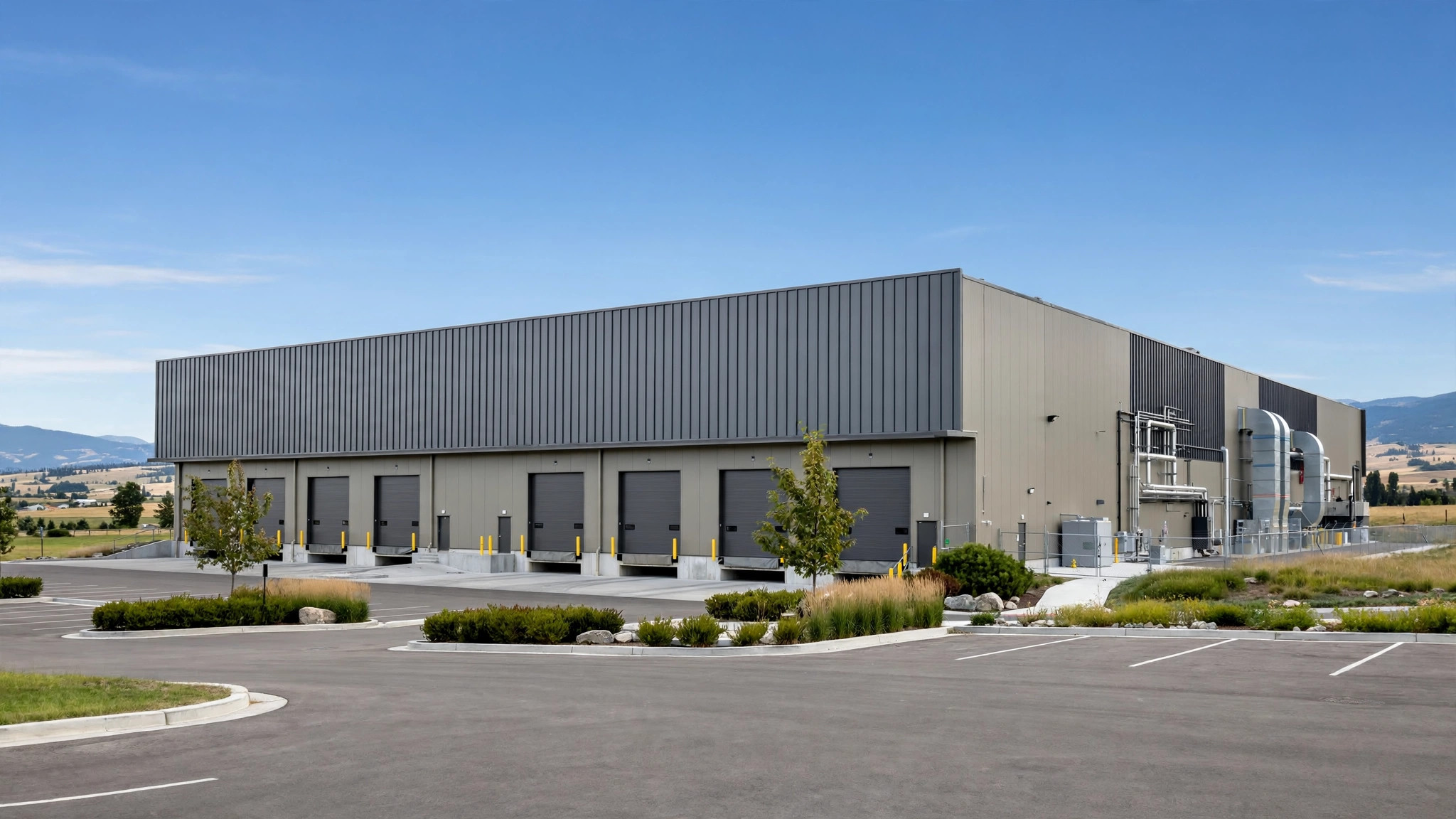
Factories, warehouses, and plants need roofs that survive brutal conditions. Heat, chemicals, heavy equipment, and constant vibration punish industrial roofs daily. Industrial roofing contractors specialize in this harsh world. They differ from general commercial roofers in skills, equipment, and mindset. This guide shows you how industrial roofing contractors differ, the eight signs of the best ones, and what industrial roofing costs.
How industrial roofing contractors Differ
Industrial work is commercial roofing turned up. The buildings are bigger. A single industrial roof can cover hundreds of thousands of square feet. The environment is harsher. Chemical exhaust, grease, extreme heat, and corrosive fumes attack membranes that would last decades on an office building.
The stakes are higher too. A leak in an office stains a ceiling tile. A leak in a food plant shuts down production. A leak in a chemical plant creates a safety incident. Top industrial roofing contractors plan around live operations. They phase work to keep lines running. They coordinate with plant safety officers. They understand that downtime costs more than roofing.
Their crews carry different skills. They handle heavy-gauge metal systems, chemical-resistant membranes, and high-temperature details. They know how to work around cranes, vents, and process equipment. They follow plant safety rules that go beyond standard roofing practice. When you hire for an industrial site, hire specialists.
8 Signs of the Best industrial roofing contractors
The best firms share eight traits. Look for all of them.
- True industrial experience. Ask for a project list of factories, warehouses, and plants. Office buildings do not count. You want crews that have worked around live production.
- Knowledge of your roof system. Industrial roofs use standing-seam metal, built-up systems, and specialty membranes. The bidder should name your system and its common failure points without prompting.
- A written safety program that exceeds the minimum. The Occupational Safety and Health Administration sets the floor. The best firms build well above it, with site-specific safety plans for each job.
- Experience working around operations. Ask how they phase work to keep your plant running. Vague answers mean they have never done it.
- Manufacturer certifications for industrial systems. Certified installers unlock stronger warranties and prove factory-level training.
- References from plant managers, not just owners. Plant managers see the daily reality: noise, dust, schedule slips, and cleanup. Call them.
- Detailed proposals with phasing plans. The bid should show work zones, timelines per zone, and how operations continue during the job.
- Financial stability. Industrial projects run long and large. A firm that cannot float material costs or survive a slow payment cycle puts your project at risk. Ask for bank or bonding references.
Firms that show all eight are rare and worth their price. Settle for fewer only with open eyes.
Industrial Roof Types and industrial roofing contractors
Industrial buildings wear several roof types. Each needs a specialist touch.
Standing-seam metal dominates new industrial construction. It sheds water well and lasts decades. Its weak points are fasteners, seams, and penetrations. Industrial crews know the clip systems and seaming tools by heart.
Built-up roofing still covers many older plants. Layers of asphalt and felt handle heat and traffic well. They need skilled crews for repairs, since matching old built-up systems takes real craft. Few young roofers learn it. Ask specifically about built-up experience.
Single-ply membranes like TPO and EPDM appear on warehouses and light industrial buildings. They install fast and cost less. Chemical exposure can attack some membranes, so the contractor must match the membrane to the plant environment. EPDM resists many chemicals better than TPO. Your contractor should explain the choice.
Specialty systems serve harsh sites. Chemical-resistant membranes, high-temperature details, and grease-resistant systems protect plants that punish ordinary roofs. Only experienced industrial roofing contractors know these products. If your plant vents corrosives or runs hot processes, say so in the first call.
Cost Factors with industrial roofing contractors
Industrial roofing costs more than standard commercial work. Expect 6 to 18 dollars per square foot for replacement, depending on the system and site. Here is what sets the price.
Scale cuts both ways. Huge roofs price lower per foot because crews stay efficient. But huge roofs also mean huge totals, and mobilization for a massive site costs real money. Get the per-foot number and the total.
Site conditions add cost. Working around live production slows everything. Night and weekend shifts cost extra. Special safety requirements, such as flame permits or confined-space rules, add labor hours. Plants with strict access controls add administrative time.
Roof system choice sets the base. Single-ply costs least. Built-up sits in the middle. Standing-seam metal costs more but lasts longest. Specialty chemical-resistant systems cost the most. Compare on life-cycle cost, not first cost. The [National Roofing Contractors Association](https://www.nrca.net/) publishes life-cycle guidance for industrial owners.
Existing conditions matter. Wet insulation must come out. Rotted decking must be replaced. Old roofs with many layers cost more to tear off. A core survey before bidding finds these hidden costs. Pay for the survey. Surprises during the job cost triple.
Warranty and maintenance terms round out the price. Longer warranties need certified installers and thicker systems. Some firms bundle multi-year maintenance. Compare the full package, not just the install price.
Related Reading
For metal systems common in industrial work, see [commercial metal roof repair](/commercial-metal-roof-repair/). For general repair guidance, read [commercial roof repair](/commercial-roof-repair/). For repair planning steps, see [repair commercial roof](/repair-commercial-roof/).
Safety Demands on industrial roofing contractors
Industrial sites punish casual safety. Your contractor must meet two safety regimes at once: roofing safety rules and your plant safety rules. Falls remain the top roofing hazard. The crew needs fall protection, guardrails, and tie-off points on every visit.
Plant rules add layers. Hot work permits for torches. Lockout procedures near electrical gear. Chemical exposure protocols near process vents. Restricted zones around cranes and traffic. Your contractor should ask for your site safety manual before bidding. A firm that never asks is a firm that never follows.
Verify insurance carefully. Industrial work needs higher liability limits than standard commercial jobs. Ask for certificates naming your company as additional insured. Confirm workers compensation covers every worker on site. One uninsured injury on your property becomes your problem fast.
Hold a pre-job safety meeting. Walk the site with the foreman. Mark hazards, muster points, and restricted areas. Agree on daily check-in procedures. Plants that run this meeting have fewer incidents. It takes an hour and pays for itself many times over.
Planning Around Live Operations
The best industrial roofing contractors treat your production schedule as sacred. Phasing is the key tool. The roof gets divided into zones. The crew completes one zone fully before moving to the next. Your operations continue in the other zones with minimal disruption.
Noise and vibration need management. Tear-off shakes the building. Schedule the loudest work for off-shifts or shutdowns. Warn production managers in advance. Some processes cannot tolerate vibration at all. Say so early so the plan accounts for it.
Dust and debris control matters more in plants than offices. Food, pharma, and electronics plants have strict contamination rules. The crew should seal intakes, protect product areas, and clean daily. Write these requirements into the contract.
Communication keeps it all working. Name one contact on your side and one on theirs. Hold a brief daily check-in during active work. Small issues caught daily never become big disputes. The [U.S. Department of Energy](https://www.energy.gov/) offers industrial energy resources that pair well with roof upgrades for efficiency gains.
FAQ
What makes industrial roofing contractors different from commercial roofers?
Scale, environment, and operations. Industrial contractors handle bigger roofs, harsher chemical and heat exposure, and live production schedules. General commercial roofers may lack the phasing skills and specialty product knowledge.
How do I verify an industrial roofing contractor license and insurance?
Call the state licensing board to confirm the license covers roofing and is current. Call the insurance carrier to confirm liability and workers compensation are active. Ask to be named as additional insured on the liability policy.
Should industrial roofing be phased or done all at once?
Phase it whenever production must continue. Phasing costs a bit more in mobilization but avoids shutdown losses. Full-speed replacement suits empty buildings or scheduled shutdown windows only.
How long does an industrial roof replacement take?
It depends on size and phasing. A 50,000 square foot roof may take four to eight weeks. Larger or phased projects run longer. Get a written schedule with milestones before work starts.
Do industrial roofing contractors handle emergency leaks?
The good ones do, with 24-hour response for agreement holders. Emergency service on industrial sites needs crews cleared for your plant safety rules. Set up the agreement and the safety clearance before the emergency hits.
Next Steps
List three industrial roofing contractors with real plant experience. Check all eight signs. Ask for phased proposals that protect your production schedule. Verify licenses, insurance, and manufacturer certifications by phone. Sign a contract with safety terms, phasing plans, and written change orders. The right crew keeps your plant dry without stopping your lines. Start vetting now.



