
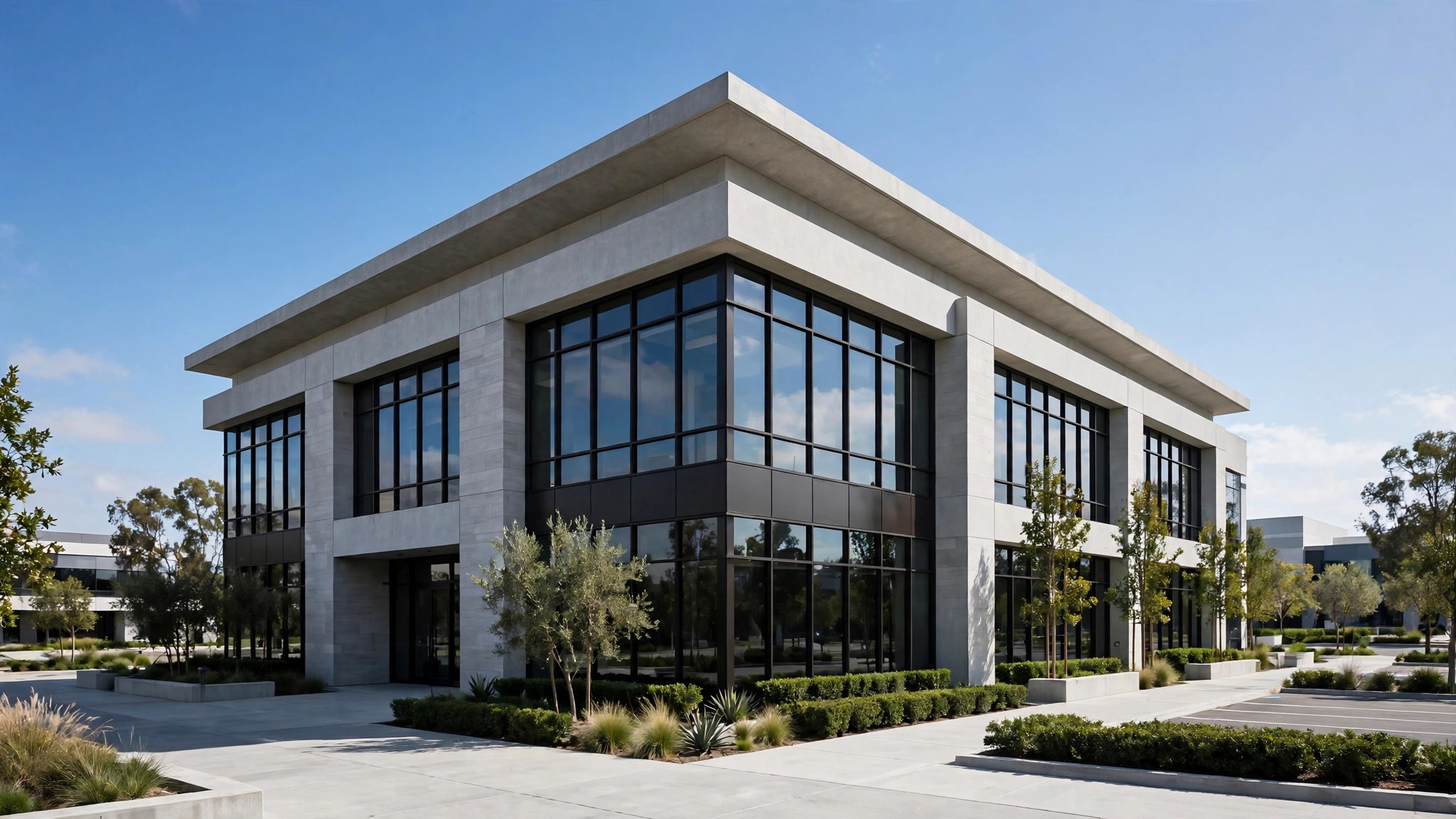
Choosing among commercial building roof types is one of the biggest decisions a building owner makes. The roof protects everything underneath it for decades. Each system has strengths, weaknesses, and a price range. Picking the wrong one costs money for years. This guide compares the seven main commercial building roof types so you can choose with confidence.
You will learn how each system works, what it costs, how long it lasts, and which buildings suit it best.
Why commercial building roof types Differ
Commercial roofs are mostly flat or low-slope. That single fact shapes all commercial building roof types. Flat roofs need materials that waterproof without gravity helping. They need drainage design, not just shingles.
Commercial roofs also carry loads that home roofs never see. HVAC units, vents, foot traffic, and sometimes solar panels all sit on the surface. The roof system must handle weight, movement, and puncture risk.
Climate narrows the choices among commercial building roof types. Hot sunny regions favor reflective membranes. Cold regions need materials that stay flexible in freezing weather. High-wind zones need strong attachment. Local experience matters.
1. TPO Membrane
TPO is a white single-ply membrane heat-welded at the seams. It is among the most popular commercial building roof types today. The reflective surface cuts cooling costs. Seams weld into a strong continuous sheet.
TPO costs less than many alternatives and installs quickly. It resists punctures and tears well. Lifespan runs 20 to 25 years with good installation. Quality varies by manufacturer, so brand choice matters. It suits most low-slope commercial buildings.
2. EPDM Rubber
EPDM is a black synthetic rubber membrane. It has one of the longest track records among commercial building roof types. The material stays flexible for decades and handles cold weather well. Seams are glued or taped.
EPDM costs less than TPO in most markets. Lifespan often reaches 25 to 30 years. The black surface absorbs heat, which helps in cold climates but raises cooling costs in hot ones. White-coated versions exist. It suits buildings where proven longevity matters most.
3. PVC Membrane
PVC is a single-ply membrane known for chemical resistance. It welds like TPO but handles grease, oils, and chemicals better. That makes it a top pick among commercial building roof types for restaurants and industrial buildings.
PVC costs more than TPO and EPDM. Lifespan runs 20 to 30 years. The welded seams are strong and the material resists fire well. For buildings with chemical exposure, the premium is worth it.
4. Built-Up Roofing (BUR)
BUR layers felt and asphalt into a thick multi-ply system. It is the oldest of the modern commercial building roof types and still performs. Multiple layers mean redundancy; one damaged layer does not mean a leak.
BUR is heavy and installation is messy with hot asphalt. It costs more in labor than single-ply. Lifespan runs 20 to 30 years. It suits owners who trust proven multi-layer protection and have structure to carry the weight.
5. Modified Bitumen
Modified bitumen improves on BUR with polymer-modified asphalt sheets. It installs in fewer layers with torch, hot mop, or self-adhering methods. Among commercial building roof types, it balances tradition and convenience.
It handles building movement well and resists tears. Lifespan runs 20 to 25 years. Cost sits between BUR and single-ply. It suits smaller commercial buildings and owners who want asphalt-based reliability with simpler installation.
6. Metal Roofing
Standing seam metal works on low-slope commercial buildings with proper design. It is the longest-lasting of common commercial building roof types, often 40 years or more. Metal sheds water well and needs little maintenance.
Upfront cost is the highest among these options. But lifetime cost can be lowest because replacement comes so much later. Metal suits owners with long hold periods and buildings with adequate slope.
7. Spray Foam and Coatings
Spray polyurethane foam creates a seamless insulated layer. Coatings restore aging roofs without tear-off. These are restoration options among commercial building roof types rather than new systems.
They cost far less than replacement and add insulation value. Lifespan runs 10 to 20 years depending on the system. They suit sound roofs that need extended life, not failed roofs that need replacement.
Comparing Costs
New system costs vary by region, but the ranking is fairly stable. EPDM and TPO sit at the affordable end among commercial building roof types. Modified bitumen and PVC sit in the middle. BUR costs more in labor. Metal costs the most up front.
Lifetime cost tells a different story. Divide total cost by expected years. Metal often wins on lifetime cost despite the high initial price. Cheap systems replaced twice can cost more than one expensive system.
Do not forget tear-off, insulation, and code upgrades in the budget. These add to every option. Get detailed quotes that list all components.
Comparing Lifespan and Maintenance
Lifespan ranges: TPO 20 to 25 years, EPDM 25 to 30, PVC 20 to 30, BUR 20 to 30, modified bitumen 20 to 25, metal 40 plus, foam and coatings 10 to 20. These assume proper installation and maintenance.
Maintenance needs are similar across commercial building roof types. Inspect twice yearly. Keep drains clear. Fix small problems fast. Metal needs the least attention. Membranes need seam and flashing checks.
Warranties vary. Manufacturer warranties run 10 to 30 years depending on system and installer certification. Read the terms. Most require documented maintenance.
Choosing the Right System
Match the system to the building. Consider roof slope, structural capacity, climate, budget, and hold period. A restaurant needs chemical resistance. A warehouse needs puncture resistance. An owner selling soon needs value, not a 40-year roof.
Get professional advice. A roofing consultant or experienced contractor can assess your building and recommend among commercial building roof types. The National Roofing Contractors Association offers guidance at https://www.nrca.net/.
Consider energy too. Reflective membranes cut cooling costs. Extra insulation cuts heating and cooling costs. The Department of Energy explains roof energy options at https://www.energy.gov/.
For repair topics, see our guides to TPO roof repair, EPDM roof repair, and commercial metal roof repair.
Climate Matching Guide for commercial building roof types
Climate should drive your choice among commercial building roof types. Hot sunny climates favor white reflective membranes like TPO and PVC. Reflectivity cuts cooling loads significantly. Dark membranes like EPDM absorb heat and raise cooling bills in these regions.
Cold climates need flexibility. EPDM stays pliable in freezing weather. TPO also performs well in cold. BUR and modified bitumen handle freeze-thaw cycles with their thick multi-layer build. Metal sheds snow well, which reduces structural load concerns.
High-wind regions need strong attachment. Mechanically attached single-ply systems need the right fastener patterns. Fully adhered systems resist wind well. Metal systems with concealed fasteners perform strongly. Ask for the wind uplift rating of the proposed assembly.
Hail regions need impact resistance. Thicker membranes and BUR handle hail better than thin single-ply. Some systems carry hail ratings from testing labs. If hail is common in your area, ask about rated assemblies. Insurance discounts may follow.
Humid climates need moisture control. Good drainage design matters everywhere but especially where rain is frequent. Ponding water destroys most membranes over time. Whatever system you choose, make sure water leaves the roof fast.
What Your Contractor Should Tell You
A good contractor educates you about commercial building roof types instead of pushing one product. They should explain at least two suitable options with honest pros and cons. Be wary of anyone who only sells one system.
They should discuss the deck and structure. Not every building can carry every system. BUR is heavy. Ballasted single-ply adds weight. Your contractor should verify structural capacity before recommending.
They should explain the full assembly. The membrane is only the top layer. Insulation type and thickness, vapor retarders, and edge details all matter. A quote that names only the membrane is incomplete.
They should be honest about maintenance. Every one of the commercial building roof types needs care. Anyone who promises a maintenance-free roof is selling, not advising. Ask what the maintenance plan looks like and what it costs.
Safety practices reveal professionalism. Roof work follows OSHA standards at https://www.osha.gov/. A contractor with a written safety program takes the whole job seriously.
Frequently Asked Questions
Which of the commercial building roof types lasts longest?
Standing seam metal, often 40 years or more. Among membranes, EPDM and PVC reach 30 years. Proper installation and maintenance matter as much as material choice.
Which commercial building roof types cost the least?
EPDM and TPO usually cost least for new installation. Foam and coating restoration costs less than any full replacement. Compare lifetime cost, not just initial price.
Can I change commercial building roof types at replacement?
Usually yes. The structure must support the new system weight. Drainage and edge details may need changes. Your contractor should verify compatibility.
Which roof type is best for a restaurant?
PVC, because it resists grease and chemicals from kitchen exhaust. TPO with proper maintenance also works. Discuss exhaust placement with your roofer.
Do commercial building roof types affect insurance?
Yes. Some insurers offer better rates for hail-resistant or fire-rated systems. Metal and certain membranes may qualify. Ask your agent before you choose.
Next Steps
List your priorities: budget, lifespan, energy, and hold period. Get quotes for two or three suitable commercial building roof types, not just one. Compare lifetime costs side by side. Check contractor credentials and manufacturer warranties. The right system is the one that fits your building, your climate, and your plans.



