
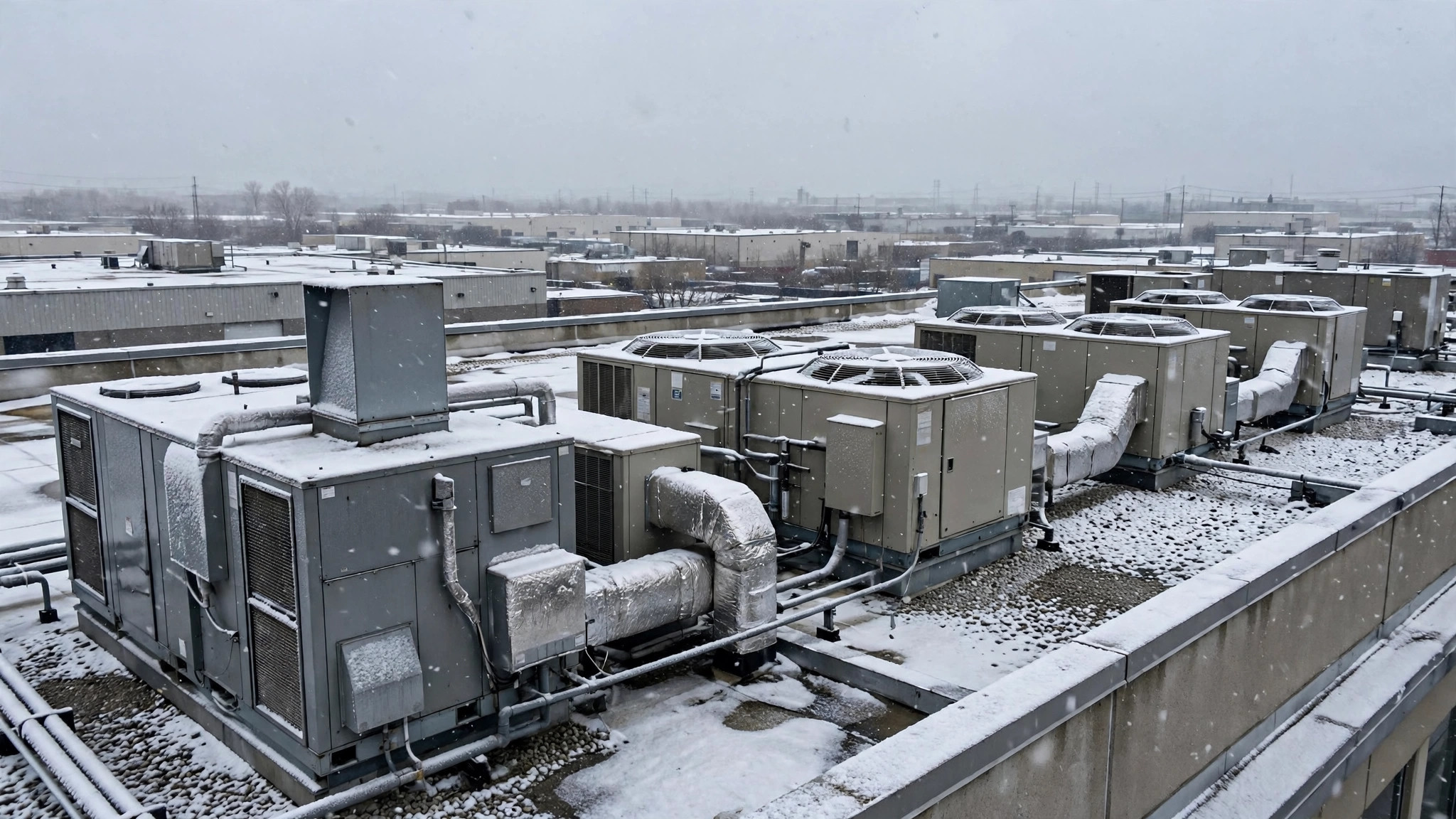
When winter hits, your building must stay warm. Staff need comfort. Pipes must not freeze. Customers will not shop in a cold store. Commercial heating systems do this job at a scale home furnaces cannot match.
This guide gives you nine facts about commercial heating. You will learn the system types, what they cost to run, and how to keep them reliable. Whether you manage an office, a warehouse, or a retail center, these facts help you make smart decisions.
Fact 1: commercial heating comes in several types
Rooftop packaged units are the most common. One box on the roof handles heating and cooling. Gas heat is standard in many regions. Electric heat strips serve milder climates.
Boilers heat water or make steam for large buildings. The hot water flows to radiators, baseboards, or air handlers. Boilers suit big offices, schools, and hospitals with central plants.
Furnaces work like big home units but sized for business. They pair with air conditioning coils for year round comfort. Warehouses and small retail often use them.
Heat pumps move heat instead of making it. They pull warmth from outside air and bring it in. Modern cold climate models work well below freezing. In mild states, a heat pump can handle most of the commercial heating load on its own. See our commercial heating and cooling guide for system comparisons.
Fact 2: fuel choice shapes commercial heating costs
Natural gas usually costs least where it is available. It burns clean and heats fast. Most commercial rooftops and boilers run on gas.
Electricity costs more per unit of heat in most states. But electric systems need less maintenance and no gas lines. Heat pumps cut electric heating cost sharply by moving heat instead of making it.
Oil and propane serve areas without gas lines. They cost more and need on-site storage. Fuel oil boilers are common in older buildings in the Northeast.
Compare fuel prices in your area before you commit. The Department of Energy tracks fuel costs and efficiency tips at https://www.energy.gov/.
Fact 3: sizing matters as much in heating as cooling
An undersized heater runs nonstop on cold days and still leaves rooms chilly. Workers complain. Pipes in cold corners risk freezing.
An oversized heater short cycles. It blasts heat, shuts off, and repeats. That wastes fuel and wears parts. Temperature swings annoy occupants.
Proper sizing starts with a heat loss calculation. A tech measures the building, checks insulation and windows, and accounts for infiltration. Insist on the math. Rules of thumb produce wrong sizes.
Fact 4: efficiency ratings tell you the running cost
Furnaces carry AFUE ratings. An 80 percent AFUE unit turns 80 percent of fuel into heat. A 95 percent unit wastes far less. The price gap pays back through lower fuel bills.
Boilers use the same AFUE scale. Heat pumps use HSPF2 or COP. Higher numbers mean lower operating cost. In cold states, efficiency upgrades pay back fastest.
Do not judge by purchase price alone. A cheap inefficient heater can cost more in five years of fuel than a pricier efficient one. Ask each bidder for estimated yearly fuel cost.
Fact 5: commercial heating maintenance prevents breakdowns
Heating failures arrive on the coldest nights. That is Murphy’s law for building owners. Regular service stops most of them.
Fall tune-ups are the key. A tech cleans burners, checks heat exchangers for cracks, tests safety controls, and verifies airflow. Cracked heat exchangers leak carbon monoxide. That check saves lives, not just money. It also catches worn belts and failing ignitors before they quit on a freezing night.
Change filters on schedule. Dirty filters choke airflow and overheat the system. In dusty buildings, check monthly. Mark the change dates on the filter frame so nobody guesses. See our commercial heating and cooling services guide for service plan options.
Fact 6: controls cut commercial heating waste
Many buildings heat empty spaces all night. Programmable thermostats fix that. Set back temperatures when the building is empty. The system recovers before staff arrive.
Zoning heats only occupied areas. Warehouses with offices can zone the office separately from the storage floor. Each zone gets its own thermostat and schedule.
Building automation goes further. Sensors track occupancy, outside temperature, and time of day. The system adjusts on its own. Payback is strong in larger buildings. Even small buildings benefit from smart thermostats with remote access.
Fact 7: ventilation and heating work together
Codes require fresh air for occupants. That cold outside air must be heated. The more air you bring in, the harder the heater works.
Heat recovery ventilators capture heat from exhaust air and pass it to incoming air. They cut the heating load from ventilation sharply. They suit offices and schools with high fresh air needs.
Do not block fresh air intakes to save fuel. That violates code and harms air quality. Stale air makes workers drowsy and less productive. Size the commercial heating system for the real ventilation load instead.
Fact 8: warning signs your commercial heating needs help
Uneven heat across the building signals trouble. Some rooms roast while others freeze. Causes range from bad zoning to failing controls to duct problems.
Rising fuel bills with no rate change point to lost efficiency. Dirty burners, worn parts, and control drift all waste fuel. A tune-up often restores performance.
Strange smells need fast action. A rotten egg smell means a gas leak. Leave the building and call the gas company. Musty smells suggest mold in ducts or drain pans. Burning smells on first fall startup are often dust, but persistent odors need a tech.
Frequent cycling wears parts and annoys occupants. Short cycling often means oversizing or a control fault. Get it checked before the coldest weather hits.
Fact 9: replacement timing for commercial heating
Most commercial heaters last fifteen to twenty five years. Boilers can run longer with good water treatment. Rooftop units age faster in harsh sun and weather.
Plan replacement before failure. Emergency winter swaps cost more and limit your choices. Start getting bids when repairs top half the replacement cost or the unit passes twenty years. A planned project also lets you upgrade controls and zoning at the same time, which multiplies the savings.
New equipment brings better efficiency and modern controls. It also restores warranty coverage. Budget a replacement fund over several years so the cost never blindsides you.
Commercial heating cost factors
Install and operating costs move with these factors:
- System type and size
- Fuel type and local rates
- Efficiency rating
- Building insulation and windows
- Thermostat and control scope
- Duct or pipe condition
- Local labor rates
Get three itemized bids for any major work. Each should list equipment, efficiency, and scope. For repair pricing context, see our gas heater repair guide.
Checklist: fall heating startup
- Schedule professional tune-up before cold weather
- Change all filters
- Test thermostats and set winter schedules
- Clear vents and returns of furniture and boxes
- Check that rooftop units are free of debris
- Test carbon monoxide detectors
- Inspect visible flues and vents for damage
- Confirm fuel supply and delivery schedule
- Review emergency contacts with building staff
- Log the startup date and any issues found
Run this list every fall. It takes a day and prevents most winter emergencies. ASHRAE publishes heating system standards that good contractors follow. Learn more at https://www.ashrae.org/.
Frequently asked questions about commercial heating
How long does commercial heating equipment last?
Fifteen to twenty five years for most systems. Boilers often last longer. Rooftop units in harsh climates may last less. Maintenance decides the real number.
What is the cheapest commercial heating fuel?
Natural gas usually wins where available. Heat pumps compete well in mild climates with high gas prices. Compare local rates, not national averages.
Can I heat only part of my building?
Yes, with zoning. Separate thermostats and dampers or valves control each zone. Unused areas can run cooler. Do not let pipes freeze in unheated zones.
Why does my commercial heating run all the time?
It may be undersized, or the building may leak heat through poor insulation. It could also be a control fault. A tech can diagnose which one in a single visit.
Should I replace my old commercial heating system?
Consider it past twenty years or when major repairs loom. Compare repair cost against fuel savings from a new efficient unit. Get bids before winter so you choose on your schedule, not in a crisis. Ask each bidder to show the simple payback from efficiency gains.
Commercial heating keeps your building open through winter. Know your system type and fuel. Size replacements with real math. Maintain every fall without fail. Use controls to stop heating empty space. Train staff to report cold spots and odd smells early. Do these things and your heating will be reliable, efficient, and affordable for years to come.



