
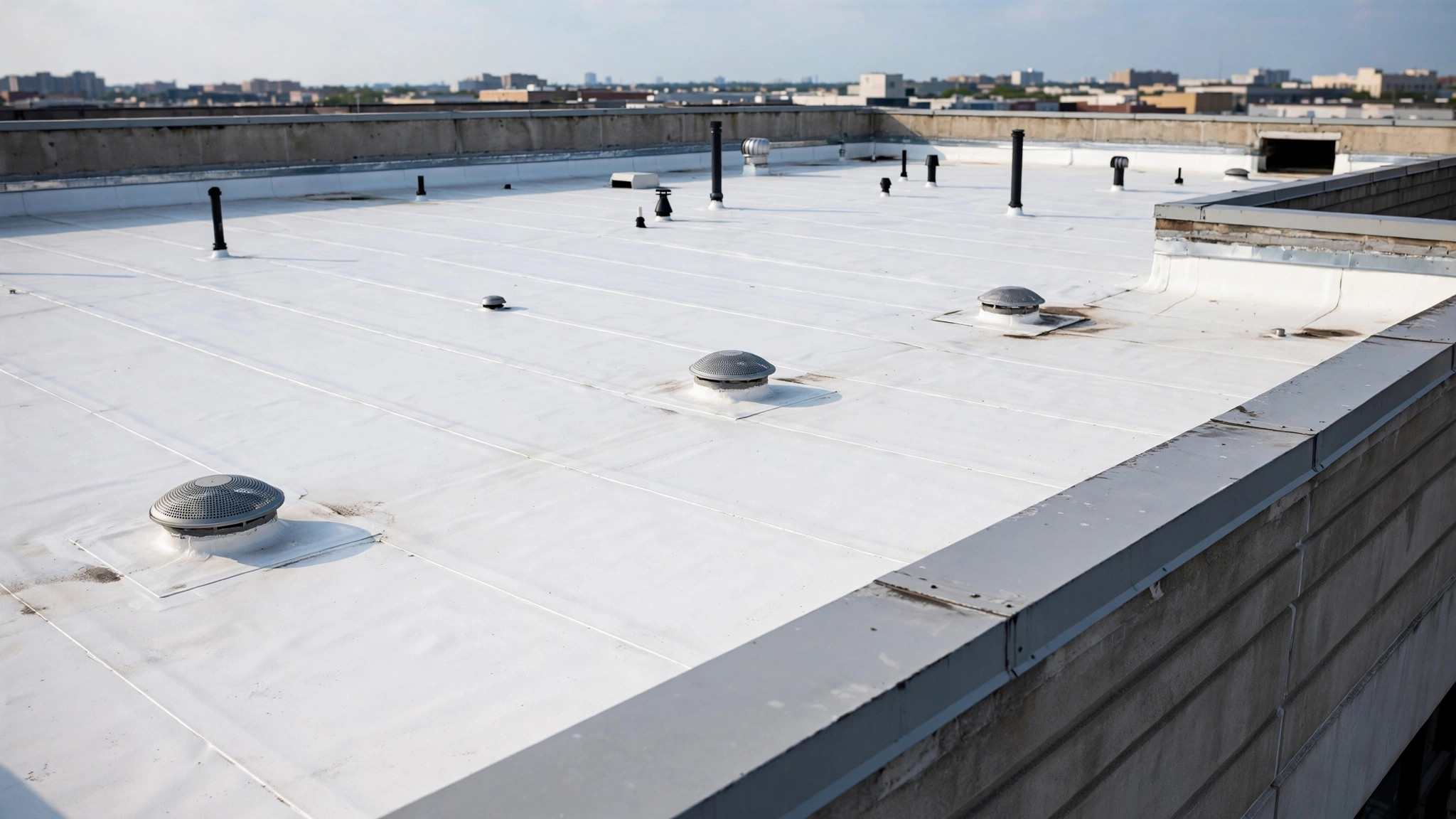
Every commercial building has a roof, and that roof needs attention. Many owners never think about commerical roofing until water drips through the ceiling. By then, a small fix has become a big bill. Learning the basics now saves money later. This guide covers seven essentials that every building owner should know, from system types to hiring the right contractor. Read it once and you will make smarter decisions for many years.
Basic 1: What Commerical Roofing Means
Commerical roofing covers the roof systems used on business buildings: offices, retail stores, warehouses, restaurants, and factories. These roofs are usually flat or low-slope. They use membranes, not shingles. Water drains slowly to interior drains or scuppers instead of running off steep slopes.
The work is specialized. Commerical roofing contractors train on flat systems, seam welding, flashing details, and drainage. A residential roofer who does fine on houses may not know these systems. Always hire a contractor whose daily work is commercial roofs. Ask for commercial references before you sign anything.
Basic 2: The Main Commerical Roofing Systems
Six systems dominate the field. TPO is the white single-ply membrane: affordable, reflective, with heat-welded seams. PVC is similar but tougher against chemicals and grease, a favorite for restaurants and plants. EPDM is black rubber: proven, flexible, and budget-friendly. Built-up roofing layers felt and asphalt for a very tough surface. Modified bitumen modernizes that approach. Standing seam metal lasts longest, often decades beyond the others.
No single system is best for every building. Climate, building use, budget, and structure all shape the choice. A good contractor explains the options and recommends based on your building, not on what is easiest to sell.
Basic 3: Drainage Matters Most
On flat roofs, water must be guided off. Ponding water adds weight, soaks seams, and shortens roof life. Good design includes proper slope, working drains, and clear scuppers. Keep every drain clear of debris. Check them after storms.
Walk your roof after rain. Water that remains after two days is ponding and needs attention. Sometimes a cleared drain fixes it. Sometimes the roof needs tapered insulation to correct the slope. Never ignore standing water. It is the top killer of flat roofs and the easiest problem to prevent with basic maintenance.
Basic 4: Maintenance Is Not Optional
A maintenance program is simple: inspect twice a year, keep drains clear, remove debris, and fix small problems fast. This routine costs a fraction of major repairs. Roofs with maintenance last years longer than neglected ones.
Warranties demand maintenance too. Most manufacturers require documented inspections. Skip them and your warranty claim can be denied. Keep photos and reports from every visit in one file. For a detailed visit guide, see the commercial roof maintenance checklist.
Basic 5: Know the Costs
Small repairs often cost a few hundred dollars. Larger repairs run into the thousands. Full replacement is a major capital project priced by the square foot. Roof coatings cost far less than replacement and add years to a sound roof. Professional inspections cost a few hundred dollars and are the best value in the business.
Always get bids in writing with clear scope. Compare them line by line. A bid far below the rest usually skips something important. For cost detail, see commercial roof repair cost per square foot.
Basic 6: Warranties Have Two Parts
Commerical roofing warranties come in two pieces. The manufacturer covers material defects. The contractor covers installation workmanship. You need both in writing. Manufacturer terms often run 15 to 30 years. Contractor terms are shorter, often a few years.
Read the exclusions. Missed maintenance, ponding water, and unapproved rooftop additions commonly void coverage. If you plan to add equipment later, ask how it affects the warranty. Keep every inspection report. Warranty claims without maintenance records get denied.
Basic 7: Hire the Right Contractor
The contractor matters more than the material. A skilled crew makes an average system last. A poor crew ruins the best materials. Check that any commerical roofing contractor you consider is licensed, insured, and certified by the manufacturer of your system. Call past clients and ask if the work finished on time and on budget.
Get a detailed written contract covering scope, schedule, payment terms, and warranty. Never pay the full amount upfront. Walk the finished roof before final payment. For help with vetting, read how to choose a commercial roofing contractor.
Commerical Roofing and Your Energy Bills
Your roof affects what you pay for heating and cooling. Dark membranes absorb heat. White reflective ones bounce it back. In warm climates, reflective commerical roofing cuts cooling loads and trims bills. The U.S. Department of Energy recognizes cool roofs as a proven energy saver.
Insulation under the membrane matters just as much. When you replace a roof, upgrading insulation often pays back quickly through lower bills. Ask your contractor to show the energy math for insulation options. Small upgrades during a roofing project cost far less than doing them later.
Storms and Commerical Roofing
Storms test every roof. Wind lifts edges and flashing. Hail bruises membranes. Debris punctures surfaces. After major storms, inspect the roof promptly. Photograph damage before cleanup. Quick documentation protects insurance claims.
Prepare before storm season. Tight edge metal, sound flashing, and clear drains help roofs survive. A roof in good shape handles storms far better than a neglected one. Regular commerical roofing maintenance is storm preparation. The NRCA offers maintenance guidance that helps roofs weather severe events.
Safety on the Roof
Roofs are hazardous. Falls are the leading cause of death in construction. Anyone working on your roof must follow OSHA fall protection rules. As the owner, limit roof access with a sign-in log. Keep unauthorized people off. Simple access control protects your roof and reduces your liability. Keep a simple roof log too. Note every visit, every repair, and every change. A log takes minutes to maintain and pays off at every inspection, warranty claim, and sale.
Planning a Commerical Roofing Replacement
Every roof reaches the end. Plan for it before it arrives. Track your roof’s age and condition with inspection reports. When repairs come often and cost more each time, start getting replacement bids. Emergency replacements cost more and leave no time to compare.
A planned replacement lets you choose the best system, the best contractor, and the best timing. You can schedule around your business calendar and your budget cycle. Start a replacement fund years ahead. Small yearly set-asides turn a crisis into a routine capital project. Ask your roofer for an honest remaining-life estimate at each inspection. Plan with numbers, not hope. Good planning is the quiet secret of smart commerical roofing ownership.
Working With Tenants on Roof Projects
Roof work affects everyone in the building. Tell tenants what is happening and when. Share the schedule, the noisy phases, and any access changes. Most complaints come from surprise, not from the work itself. A short notice letter prevents most of them.
Coordinate with tenant operations. A restaurant needs quiet during lunch. An office needs it during work hours. Ask the contractor about phasing work to suit the building’s rhythm. Put agreed work windows in the contract. Protect tenant property from dust and debris. A contractor who respects tenants protects your relationships and your rental income. Include tenant communication in your commerical roofing project plan from day one.
FAQ
How long does commerical roofing last?
It depends on the system and the care it gets. Single-ply membranes often last 20 to 30 years. Built-up roofs can reach 30 years. Metal can last 40 years or more. Regular maintenance is the biggest factor in reaching full life.
How often should I inspect my commercial roof?
At least twice per year, spring and fall. Add checks after major storms. Buildings with heavy foot traffic or overhanging trees do well with quarterly visits. Follow your warranty’s required schedule.
Can a roof be coated instead of replaced?
Often yes, if the existing roof is sound with dry insulation. Coatings add waterproofing and reflectivity for a fraction of replacement cost. A moisture survey tells you if your roof qualifies. Coating a failing roof wastes money.
What is the most common cause of commercial roof leaks?
Failed flashing and clogged drainage cause most leaks. Flashing at walls, curbs, and penetrations works loose over time. Clogged drains create ponding that forces water through weak spots. Both are preventable with maintenance.
Do I need a permit for roofing work?
Most areas require permits for replacements and major repairs. Rules vary by location. Your commerical roofing contractor should handle permits as part of the job. Unpermitted work can cause insurance and resale problems.
Next Steps
Grade your building against the seven basics above. Do you know your roof system? Is drainage clear? Is maintenance on the calendar? Are your records complete? Close the gaps starting this month. Book an inspection and start a roof file. Commerical roofing rewards owners who pay attention, and the payoff lasts for decades. Your building deserves that steady care.



