
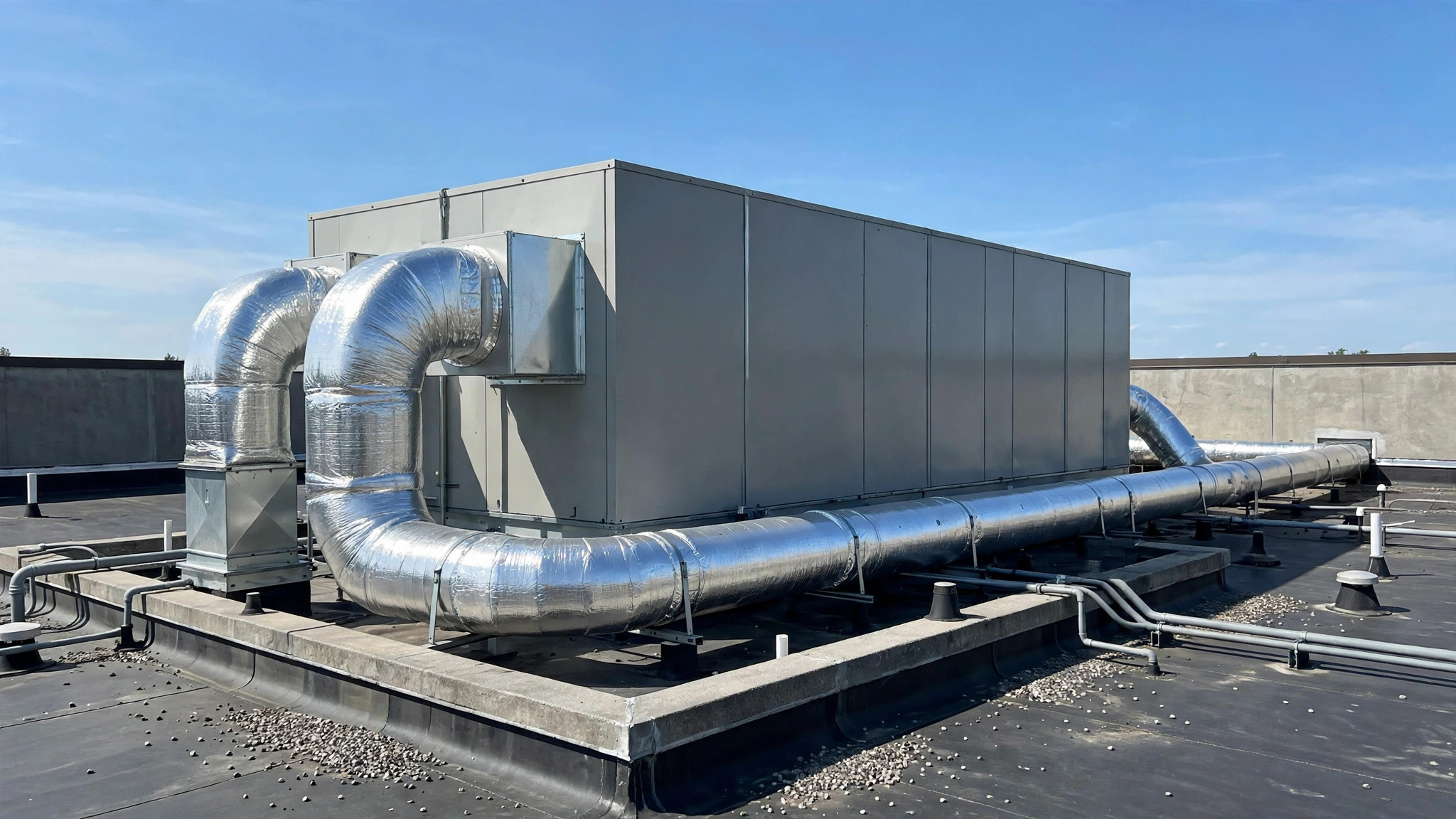
Buying a commercial air conditioner is a big decision. The unit will run every day for fifteen to twenty years. It will shape your energy bills, your comfort, and your maintenance costs for its whole life. A smart purchase saves money for years. A rushed one costs you every month. These seven tips help building owners buy the right commercial air conditioner with confidence.
Tip 1: Start With a Load Calculation
Never buy a commercial air conditioner by square footage alone or by matching the old unit’s size. The old unit may have been wrong. Oversized units short-cycle, which wastes energy and leaves humidity high. Undersized units run flat out and still fall short on hot days.
A proper load calculation accounts for windows, insulation, lighting, people, equipment, and ventilation. It should follow ASHRAE methods. Ask the contractor to show you the calculation. If a bidder skips it, get another bidder. Sizing is the foundation of the whole purchase. Get it right and everything else works better.
Tip 2: Pick the Right System Type
Rooftop packaged units are the standard commercial air conditioner for small to mid-size buildings. The whole system sits in one box on the roof. Simple to install, easy to service. Split systems suit buildings where roof space is tight. VRF systems give zone-by-zone control and high efficiency for offices and hotels. Chilled water plants serve large buildings and campuses.
Match the type to the building. A single-story retail store does not need a chiller. A high-rise does not run on window units. Ask each bidder why their recommended type fits your building. Compare at least two types, not just two brands of the same type.
Tip 3: Compare Efficiency, Not Just Price
The sticker price is only part of the cost. A more efficient commercial air conditioner costs more upfront and less every month. In hot climates with long cooling seasons, the payback is fast. Ask each bidder for estimated annual operating cost. Then compare total cost over ten years.
Efficiency ratings to know: SEER2 and EER2 for smaller units, IEER and COP for larger commercial equipment. Higher numbers mean better efficiency. The U.S. Department of Energy publishes guidance on commercial cooling efficiency. Do not let a bidder strip efficiency to win on price. You pay the difference in bills for years.
Tip 4: Check Noise Levels
A commercial air conditioner can be loud. Rooftop units near outdoor seating, neighboring homes, or open office windows cause complaints. Check the sound ratings before you buy. Ask the contractor about placement options that keep noise away from sensitive areas.
Sound barriers and vibration isolators help when placement is tight. These cost extra but prevent years of complaints. If your building has noise-sensitive neighbors or tenants, make sound part of the buying decision from the start, not an afterthought.
Tip 5: Plan for Controls
Modern controls schedule cooling by zone and time. They cut waste, catch faults early, and make the building more comfortable. A commercial air conditioner without good controls runs on factory defaults and wastes money. Include controls in the purchase, not as an afterthought.
Make sure your staff gets training. The best controls in the world do nothing if nobody knows how to use them. Ask the contractor what training is included. Put it in the contract. Controls plus training is where the real savings hide.
Tip 6: Read the Warranty Carefully
Equipment warranties on a commercial air conditioner often run five to ten years on major parts like compressors. Labor warranties from the installer are shorter, often one to two years. Get both in writing. Ask what maintenance keeps the equipment warranty valid. Most require regular professional service.
Ask what voids the warranty. Unapproved modifications, neglected maintenance, and improper installation are common exclusions. Register the warranty on time. Some makers require registration within weeks of startup. Miss the window and coverage shrinks.
Tip 7: Hire the Right Installer
The best commercial air conditioner installed badly will disappoint. Proper refrigerant charge, correct airflow, tight ducts, and calibrated controls all depend on the installer. Check the contractor’s commercial experience, licensing, and insurance. Ask for references from similar buildings.
Get the installation scope in writing: equipment model numbers, ductwork changes, electrical work, controls, startup testing, and training. Insist on a startup report with test readings. The system should prove it meets the design before you accept it. A good installer welcomes the scrutiny.
For ongoing care after purchase, see commercial ac maintenance and commercial ac service.
Commercial Air Conditioner Cost Factors
System size is the biggest cost driver. More cooling tons means more equipment and more labor. System type comes next. A basic rooftop swap costs far less than a VRF system with full controls. Installation conditions matter: easy roof access costs less than a tight site with crane challenges.
Electrical upgrades add cost on older buildings. New high-efficiency units may need different power than the old ones. Ductwork changes add cost too. Undersized or leaky ducts should be fixed during the project, not after. Controls add upfront cost and pay back in energy savings.
Get at least three bids with identical scope. Each bid should list equipment by model number, all installation work, controls, startup, training, and warranty terms. Compare total cost over ten years, not just install day. The cheapest bid is rarely the cheapest system to own.
Financing Your Commercial Air Conditioner
Few owners pay cash for a full commercial air conditioner replacement. Equipment financing spreads the cost over years. Many HVAC contractors offer financing or can point you to lenders who know the equipment. Compare interest rates and terms like any loan. Watch for prepayment penalties.
Leasing is another path. Some owners lease larger systems, trading ownership for lower upfront cost and included maintenance. Run the numbers both ways. Also ask about utility rebates and tax incentives for high-efficiency equipment. Programs change often, so check current offerings with your utility and your accountant. A rebate can tip the math toward a better unit. For financing-specific guidance, see roof financing options for businesses for how commercial equipment financing generally works.
Installation Day: What to Expect
On installation day, the crew arrives with the new commercial air conditioner and rigging gear. Old equipment comes off first, often by crane. The new unit is set, leveled, and secured. Ductwork connections are made or modified. Electrical is wired. Refrigerant lines are brazed, pressure-tested, and charged.
Expect noise and some disruption. The crew should protect your property and clean up daily. A good foreman walks you through progress at day’s end. Startup and testing follow installation, sometimes the next day. Do not rush this phase. Proper startup decides how the system runs for its whole life. Plan for the building to be without full cooling during the swap and schedule accordingly.
Timing Your Purchase
The best time to buy a commercial air conditioner is before the old one dies. Emergency replacements cost more and leave no time to compare bids. Watch for the signs: frequent repairs, rising bills, and age past fifteen years. Start planning when repairs add up.
Shoulder seasons are good buying times. Contractors are less busy in spring and fall than in summer heat waves. You get better scheduling and more attention. Equipment lead times can run weeks, so start early. A planned purchase beats a panic purchase every time.
FAQ
How long does a commercial air conditioner last?
Rooftop units typically last 15 to 20 years with good maintenance. Larger systems like chillers can run 25 to 30 years. Regular service is the biggest factor in reaching full life. Neglected units die years early.
What size commercial air conditioner do I need?
Only a load calculation can answer that. The engineer must account for the building envelope, occupancy, equipment heat, and ventilation needs. Square-footage rules are unreliable for commercial spaces. Insist on a proper calculation.
Should I buy the most efficient model?
It depends on your climate and operating hours. Hot climates with long seasons favor high efficiency. Mild climates may favor mid-range. Ask for annual operating cost estimates to compare. The math will point to the right choice.
Can I replace just one unit in a multi-unit building?
Yes. Owners often replace units in phases to spread cost. Plan the phases so controls work together at the end. Tell the contractor the full plan upfront. Phased replacement avoids shutdowns and budget shocks.
Do I need new ductwork with a new unit?
Not always, but have the ducts tested. Leaky or undersized ducts waste the new unit’s efficiency. Fixing ducts during the equipment project costs less than doing it later. Ask for a duct leakage test with the bid.
Next Steps
Start with a load calculation from a contractor who knows commercial work. Compare system types and ten-year total costs, not just install prices. Check noise, controls, and warranty terms. Hire a qualified installer and insist on startup testing. Buy the right commercial air conditioner once, maintain it from day one, and it will serve your building reliably for decades.



