
When the cooling fails in a commercial building, everything stops. Staff wilt, customers leave, and inventory can suffer. A reliable commercial air cond system is not a luxury. It is business infrastructure. Whether you are buying new or nursing an old unit along, the basics decide your costs.
This guide covers commercial air cond buying, costs, maintenance, and repair decisions. Read on for practical tips that save money and prevent shutdowns.
What commercial air cond Covers
The term commercial air cond covers every cooling system sized for business use. Packaged rooftop units are the most common. They sit on the roof and serve one zone each. Small buildings may have two or three. Large buildings may have dozens.
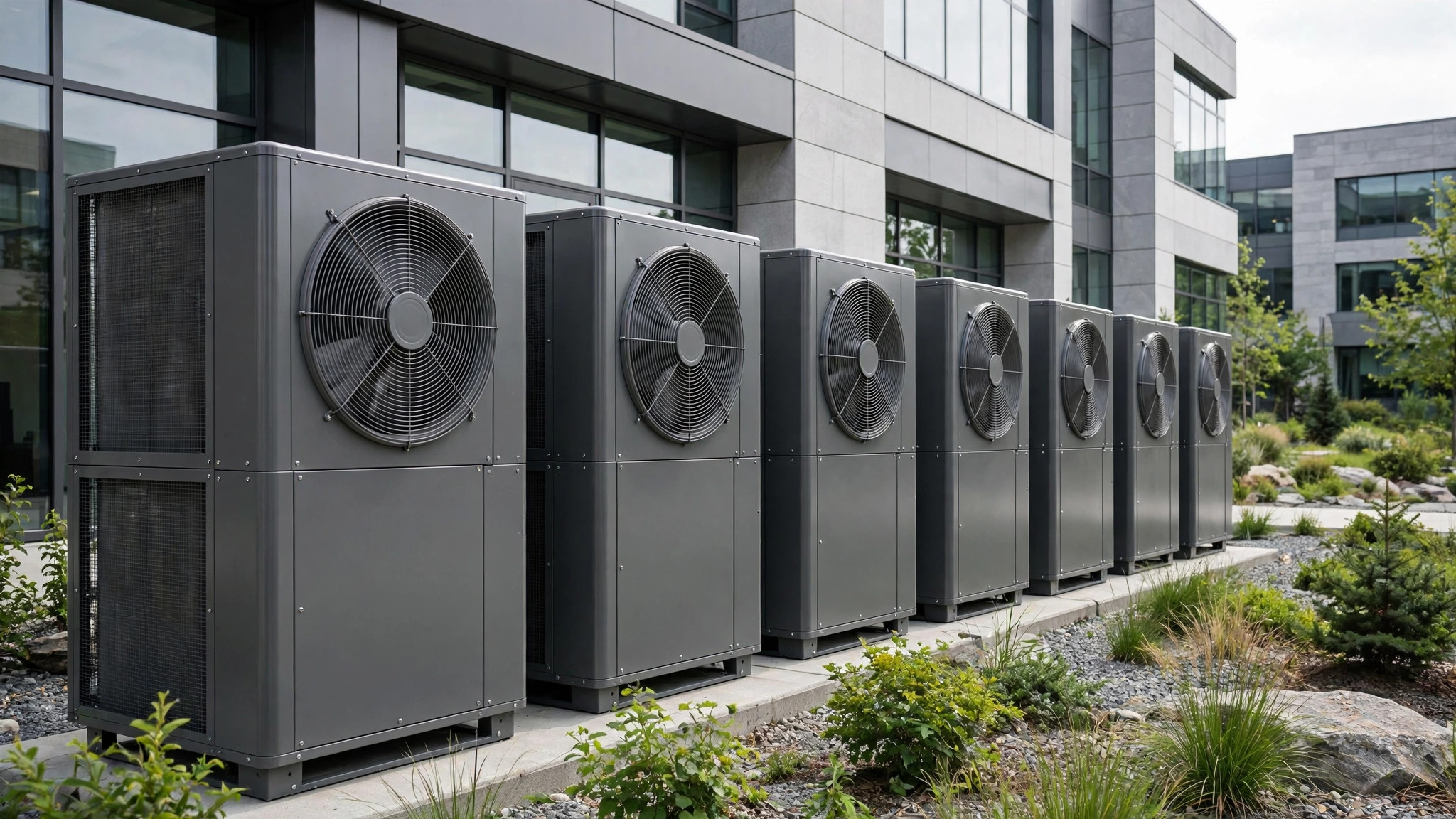
Split systems are common where roof mounting does not work. An outdoor condenser connects to indoor air handlers through refrigerant lines. They suit offices, retail spaces, and restaurants with accessible outdoor space.
Larger facilities use chilled water systems. A central chiller cools water that circulates to air handlers throughout the building. Cooling towers reject the heat outside. These systems suit big offices, hospitals, and campuses.
No matter the type, every commercial air cond system does the same job. It removes heat and humidity from indoor air and rejects that heat outside. Refrigerant, coils, fans, and controls are the common parts.
7 Service and Buying Tips for commercial air cond
One, buy on life-cycle cost, not sticker price. A cheaper commercial air cond unit with poor efficiency costs more every month for fifteen years. Compare efficiency ratings and estimated operating cost before you choose.
Two, size with a load calculation. Oversized cooling short-cycles, which wastes energy and leaves humidity high. Undersized units run constantly and wear out early. Proper sizing is the foundation of comfort.
Three, service twice a year. A spring cooling tune-up catches weak capacitors, dirty coils, and low refrigerant before the hot season. Fall checks cover heating components. Preventive service is the cheapest reliability you can buy.
Four, keep a service agreement. A commercial air cond service plan with priority response beats scrambling for a contractor during a heat wave. Agreements usually include scheduled maintenance and discounted repairs.
Five, track refrigerant type. Older refrigerants face phase-downs that raise repair costs. When buying new, choose equipment with a refrigerant that has a stable future. Ask the contractor directly.
Six, watch for the replacement signals. Rising repair frequency, climbing energy bills, and poor humidity control mean the unit is fading. Planning replacement beats an emergency swap at premium prices.
Seven, protect the installation site. Keep condenser coils clean and clear of debris, pallets, and vegetation. Blocked airflow is the most common preventable cause of commercial air cond failure.
Commercial air cond Cost Factors
New packaged units for small commercial spaces typically cost several thousand dollars installed. Larger tonnage and multi-zone systems run much higher. Use this checklist to understand quotes.
- Capacity. Tonnage is the biggest price driver.
- Efficiency rating. Higher efficiency models cost more up front.
- System type. Packaged, split, and chilled water systems price very differently.
- Installation complexity. Crane work, curb adapters, and electrical upgrades add cost.
- Controls. Basic thermostats versus building automation.
- Refrigerant and code. Current codes may require specific refrigerants and features.
Repair costs vary by part. Capacitors, contactors, and fan motors are relatively cheap. Compressors and coils are expensive. A good technician gives you repair versus replace math before you approve big repairs.
Maintenance Checklist for commercial air cond
Use this checklist each cooling season.
- Filters. Change on schedule, more often in dusty spaces.
- Condenser coils. Clean for proper heat rejection.
- Evaporator coils. Check for dirt and biological growth.
- Refrigerant charge. Verify levels and inspect for leaks.
- Electrical. Test capacitors, contactors, and connections.
- Drains. Clear condensate lines and pans.
- Belts and motors. Check tension, wear, and amperage.
- Thermostat calibration. Confirm accurate temperature control.
Preventing commercial air cond Emergencies
Emergency cooling failures are expensive and disruptive. A failed cooling unit on the hottest day of the season means premium repair rates, rushed parts, and miserable occupants. Most emergencies are preventable with planning.
Predictive maintenance is the core defense. Vibration analysis on large motors, thermal imaging of electrical connections, and trend logging of operating data catch failures before they happen. A bearing that runs hot today fails next month. Finding it today means a planned repair instead of a midnight emergency.
Critical spares deserve a shelf. Capacitors, contactors, belts, and filters for your specific equipment cost little to stock. When a part fails, the technician installs the spare immediately instead of waiting days for delivery. For critical spaces, some owners stock a spare motor or control board as well.
Redundancy is the ultimate protection. Buildings that cannot tolerate cooling loss use N+1 designs, where one extra unit covers any single failure. Smaller buildings can achieve partial redundancy with portable cooling units on standby. Know your backup plan before you need it.
Monitoring catches trouble early. Simple alarm systems watch for high space temperature, equipment faults, and power loss. A text alert at the first sign of trouble beats discovering the failure Monday morning. Modern controls can send these alerts automatically.
Relationships matter in a crisis. A commercial air cond service agreement with guaranteed response time puts you at the front of the line. Contractors prioritize agreement customers during heat waves. The agreement costs less than one emergency call at premium rates.
Seasonal preparation prevents the classic failures. The spring tune-up finds weak capacitors, dirty coils, and low refrigerant before the cooling season. The fall check prepares heating components. Equipment that enters the season tested and clean rarely surprises its owner.
Document everything. Keep an equipment list with model numbers, ages, and service history. When a failure occurs, the responding technician works faster with facts in hand. Good records turn emergencies into managed events. A well-run commercial air cond program has few true emergencies because most problems get caught while they are still small and cheap.
Building a commercial air cond Replacement Fund
Surprise replacements are the most expensive kind. A simple fund turns a crisis into a planned purchase. Start by listing every cooling unit with its age and expected life. Estimate replacement cost in today’s dollars for each. Divide by the years remaining. That yearly figure is your fund contribution. A building with ten rooftop units averaging ten years of remaining life needs steady annual set-asides, not panic borrowing later. Keep the fund in a separate account so it is there when the first unit fails. Review the numbers yearly and adjust for price changes. Owners who fund replacements on schedule buy during the off season, bid competitively, and choose efficient equipment without pressure. A commercial air cond replacement fund is the least dramatic money a building owner will ever spend, and the most valuable when the day comes.
What to Ask on a Service Visit
Make the technician’s visit count by asking the right questions. How do my energy bills compare to similar buildings? Which unit is closest to replacement? Are refrigerant levels stable since the last visit? Is there anything I should budget for next year? The answers turn a routine service call into a planning session. Write the responses in your equipment log. Over time, these notes build a clear picture of system health and upcoming costs, so no replacement ever blindsides the budget.
Related Guides
For service help, see commercial AC service. For repair decisions, read commercial air conditioner repair. And for maintenance planning, see commercial AC maintenance.
For independent background, ENERGY STAR rates efficient commercial cooling equipment, and ASHRAE publishes system design standards.
FAQ
How long does commercial air cond equipment last?
Packaged units typically last 15 to 20 years with good maintenance. Larger chilled water systems can run 25 years or more.
Why is my commercial air cond not cooling well?
Common causes include dirty coils, low refrigerant, failed electrical parts, and blocked airflow. Low airflow from dirty filters is the first thing to check.
Should I repair or replace my old unit?
Compare the repair cost against replacement, factor in efficiency gains, and consider the unit’s age. Frequent breakdowns on an old unit usually mean replacement wins.
What is a service agreement?
It is a contract for scheduled maintenance plus priority repair response. Most commercial owners find it cheaper and less stressful than calling for help only when things break.
Can I add cooling to an existing heating system?
Often yes. Options include adding a cooling coil to an air handler or installing separate split systems. A contractor can assess your ductwork and electrical capacity.
Next Steps
Now you know what a commercial air cond system needs to stay reliable. Put every unit on a twice-yearly service schedule and keep filters and coils clean. Track equipment age so replacement never surprises you. When buying, size by load calculation and compare life-cycle costs from qualified contractors. Cool, reliable air keeps your business running. Plan for it like the infrastructure it is.



