
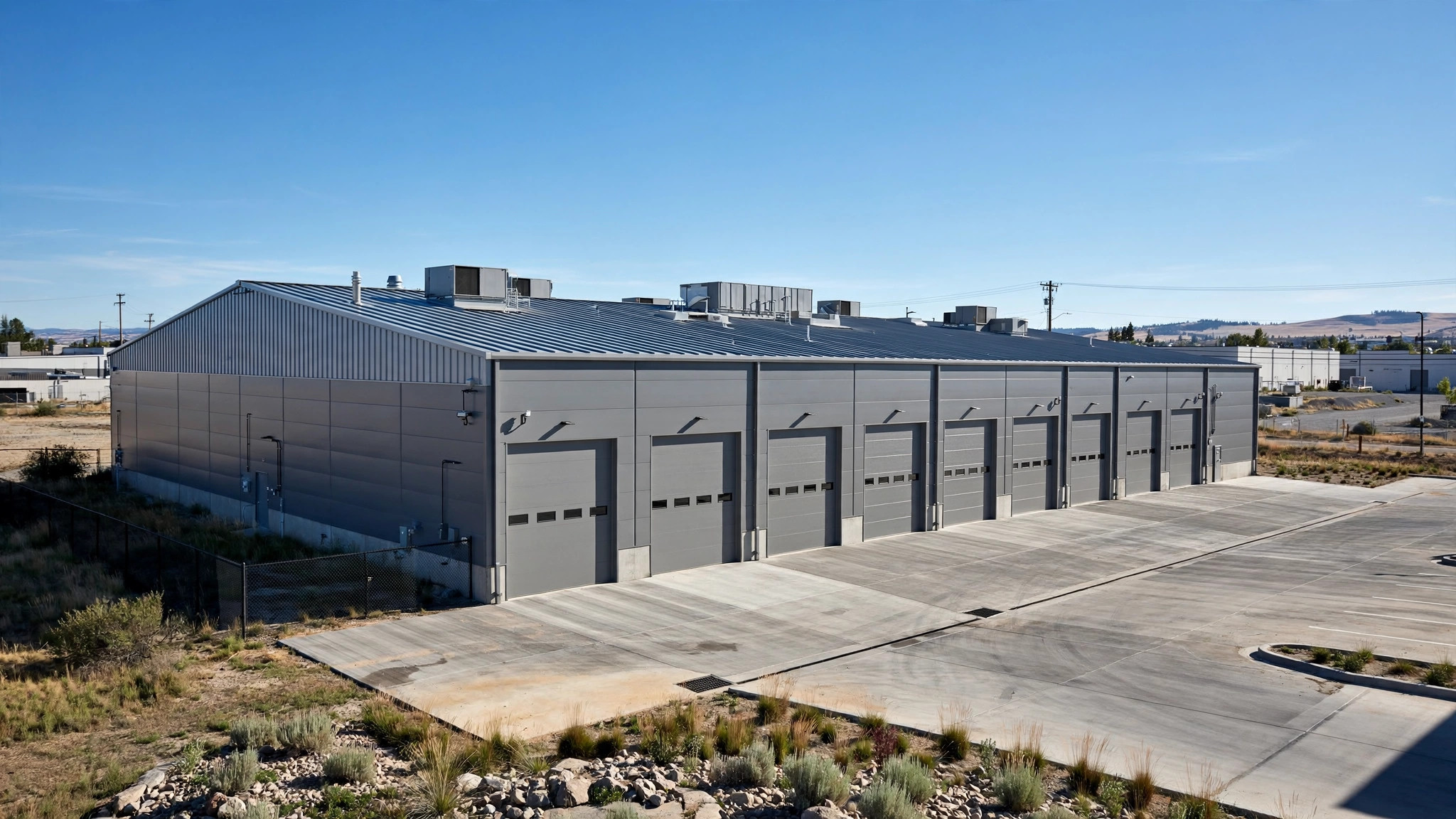
Steel roofs show up on warehouses, factories, retail stores, and office buildings across the country. Owners pick commercial steel roofing for one simple reason. It lasts a long time with less upkeep than many other roofs. A steel roof can protect a building for decades while needing only basic care.
But commercial steel roofing is not the right pick for every building. It costs more up front than some options. It needs skilled installers who know metal work. And it works best on roofs with enough slope to shed water. Local building codes and wind zones shape the choice too. This guide gives you the plain facts so you can decide with confidence.
Why owners pick commercial steel roofing
The biggest draw is life span. A well installed steel roof often lasts forty years or more. That is roughly twice the life of many built-up or single-ply roofs. Fewer replacements mean lower cost over the life of the building.
Steel also handles harsh weather. It resists wind uplift, hail, and heavy snow loads when designed and fastened right. Fire ratings are strong too. Steel does not burn, which can help with insurance and code rules in many areas.
Energy is another plus. Many commercial steel roofing panels carry light colored coatings that reflect sunlight. Reflective roofs cut cooling costs in warm states. The US Department of Energy notes that cool roof surfaces can lower roof temperatures and reduce air conditioning use. Read more at https://www.energy.gov/.
Types of commercial steel roofing panels
Not all steel panels are the same. The three common types differ in how they join and how they look.
Standing seam panels have raised seams that run from ridge to eave. Fasteners hide under the seams, so no screws pierce the surface. This design resists leaks well and looks clean. Standing seam is the most common pick for commercial steel roofing today.
Exposed fastener panels cost less. Screws pass through the panel face and seal with rubber washers. They work fine on smaller buildings and steeper slopes. The trade-off is upkeep. Washers wear out and screws may need retightening over time.
Corrugated panels have a wave pattern that adds strength. They show up on farm buildings, storage sheds, and industrial shops. They are tough and cheap, but the look does not suit every commercial property.
Panel choice affects price, looks, and maintenance. Ask your contractor to show samples of each before you decide.
Commercial steel roofing cost factors
Steel costs more up front than single-ply membranes or built-up roofs. The price you pay depends on several factors.
Cost factors to weigh:
- Panel type (standing seam costs more than exposed fastener)
- Steel gauge (thicker steel costs more and resists dents better)
- Roof size and shape (complex roofs need more labor)
- Slope (very low slopes need special details)
- Old roof removal (tear-off adds labor and disposal cost)
- Coating and color (premium finishes add cost and cut cooling bills)
- Local labor rates and permit fees
Get itemized bids from at least two roofing contractors. Each bid should list panel type, gauge, underlayment, and flashing details. A vague bid makes price comparison useless. For more on pricing math, see our guide to commercial roof repair cost per square foot.
Installation checklist for commercial steel roofing
A steel roof only performs as well as its install. Use this checklist when reviewing a contractor’s plan:
- Is the roof slope enough for the chosen panel type?
- What gauge steel is quoted, and is it in writing?
- What underlayment goes under the panels?
- How are valleys, hips, and eaves flashed?
- How does the plan handle roof penetrations like vents and curbs?
- Are fasteners rated for the local wind zone?
- What coating and color are included, and what is the warranty?
- Does the bid include tear-off and disposal of the old roof?
- What is the workmanship warranty, separate from the material warranty?
- Will the crew follow OSHA fall protection rules on site?
Safety matters on every roofing job. The Occupational Safety and Health Administration sets clear rules for fall protection in construction. Review them at https://www.osha.gov/.
Maintenance basics for commercial steel roofing
Steel roofs need less care than most roofs, but not zero care. Twice yearly checks catch small issues before they grow.
Clear debris from valleys and gutters. Leaves and dirt trap water against the steel. That trapped water can break down coatings over time. Trim back tree limbs that rub the roof surface.
Check fasteners and sealants. On exposed fastener roofs, look for loose screws and cracked washers. On all steel roofs, check sealant at penetrations and flashing joints. Reseal with products made for metal roofing.
Touch up scratches with matching paint. Bare steel spots can rust if left open. A quick touch-up takes minutes and stops corrosion cold. For detailed upkeep steps, see standing seam metal roof maintenance.
Watch for leaks after big storms. Steel roofs rarely leak at the panel field. Leaks usually start at flashing, fasteners, or penetrations. Catching them early keeps repair costs small. Our commercial metal roof repair guide covers common fixes.
Coatings and colors
Most commercial steel roofing comes with a factory finish. The best known is a baked-on coating that resists fading and chalking. Ask for the coating name and its warranty in years.
Light colors reflect more heat. White, light gray, and tan roofs stay cooler in summer. Dark colors look sharp but run hotter. In warm climates, a reflective color pays back through lower cooling bills.
Some owners add a field applied coating later in the roof’s life. A fresh coat can extend service life by sealing minor wear. Coatings also offer a way to change the roof color without new panels. See our guide to commercial metal roof restoration for how that process works.
Recycled content is another point in steel’s favor. Most steel panels contain a share of recycled metal. At the end of the roof’s life, the steel itself can be recycled again. Few roofing materials match that record.
Commercial steel roofing warranties explained
Two warranties usually come with the job. Know what each one covers.
The material warranty comes from the panel maker. It covers the coating against fading, chalking, and peeling for a set number of years. Read the fine print. Some warranties lose value over time on a sliding scale.
The workmanship warranty comes from the installer. It covers leaks caused by install errors. Five to ten years is common. A contractor who stands behind a commercial steel roofing install will put this in writing without being asked.
Keep both documents with your building records. If you sell the building, transferable warranties add value. Ask whether the warranties transfer to a new owner before you sign.
When commercial steel roofing is not the best pick
Steel shines on sloped roofs. On nearly flat roofs, membranes often work better. Standing seam can go on low slopes, but it needs special seam details and careful flashing.
Buildings with heavy rooftop equipment traffic may prefer other systems too. Foot traffic can dent thin gauge panels. If your roof hosts a lot of service work, choose a thicker gauge or add walkway pads.
Budget matters as well. If cash is tight and the building may sell within a few years, a cheaper roof system can make more sense. Match the roof investment to how long you plan to own the building.
Frequently asked questions about commercial steel roofing
How long does commercial steel roofing last?
A well installed steel roof often lasts forty years or more. Life span depends on gauge, coating, climate, and maintenance. Factory finish warranties often run twenty to forty years.
Is commercial steel roofing noisy in rain?
Not when installed right. Solid decking, underlayment, and insulation dampen sound. Most owners in insulated buildings notice no problem at all.
Can commercial steel roofing go over an old roof?
Sometimes. Local codes may allow one roof layer over another. The old roof must be sound and dry. A contractor should inspect it first. Tear-off is still the safer choice in many cases.
Does commercial steel roofing attract lightning?
No. Steel does not attract lightning. If struck, it spreads the charge safely. Many steel roofs perform well in storm zones when grounded per code.
How does commercial steel roofing handle hail?
Thicker gauges resist dents better than thin ones. Textured panels hide minor marks. Check with your insurer about hail ratings for the panel you choose.
Commercial steel roofing rewards owners who plan long term and keep up with basic care. It costs more at the start and less over the decades. Get two or three detailed bids. Compare panel type, gauge, coating, and warranties side by side. Then pick the contractor whose plan is clearest, not just the cheapest. A steel roof installed with care will protect your building for a very long time.



