
When a commercial air conditioner fails badly, the estimate often covers two parts at once. The cost to replace ac unit and coil together is a common quote because the outdoor unit and the indoor coil work as a matched set. Replacing one without the other can cause efficiency and reliability problems.
This guide explains the cost to replace ac unit and coil, why contractors recommend doing both, what drives the price, and when repair makes more sense. Read on before you approve the work.
Why the Unit and Coil Are Replaced Together
The outdoor condensing unit and the indoor evaporator coil form one refrigeration circuit. They are engineered as a matched pair with specific refrigerant flow, coil size, and efficiency ratings. Mixing an old coil with a new unit, or the reverse, usually voids efficiency ratings and can void warranties.
When the cost to replace ac unit and coil is quoted together, you get a matched system with a valid efficiency rating and full warranty coverage. The contractor can also update the refrigerant lines, electrical, and controls in one visit. One mobilization beats two.
There are exceptions. If the coil is fairly new and failed from a defect while the outdoor unit is healthy, replacing just the failed part can make sense. But when one major component dies of old age, the other is usually close behind. Paying for two separate service calls costs more than doing the job once.
Refrigerant compatibility forces the issue too. New units use current refrigerants. Old coils built for phased-down refrigerants cannot pair with them. In those cases the cost to replace ac unit and coil together is not optional. It is required.
7 Price Facts: cost to replace ac unit and coil
Fact one, small commercial systems cost the least. A small packaged or split system replacement typically runs several thousand dollars installed. Larger tonnage pushes the price up steadily.
Fact two, mid-size rooftop and split systems land in the five-figure range. Most common commercial replacements fall here. The exact number depends on tonnage, efficiency, and installation complexity.
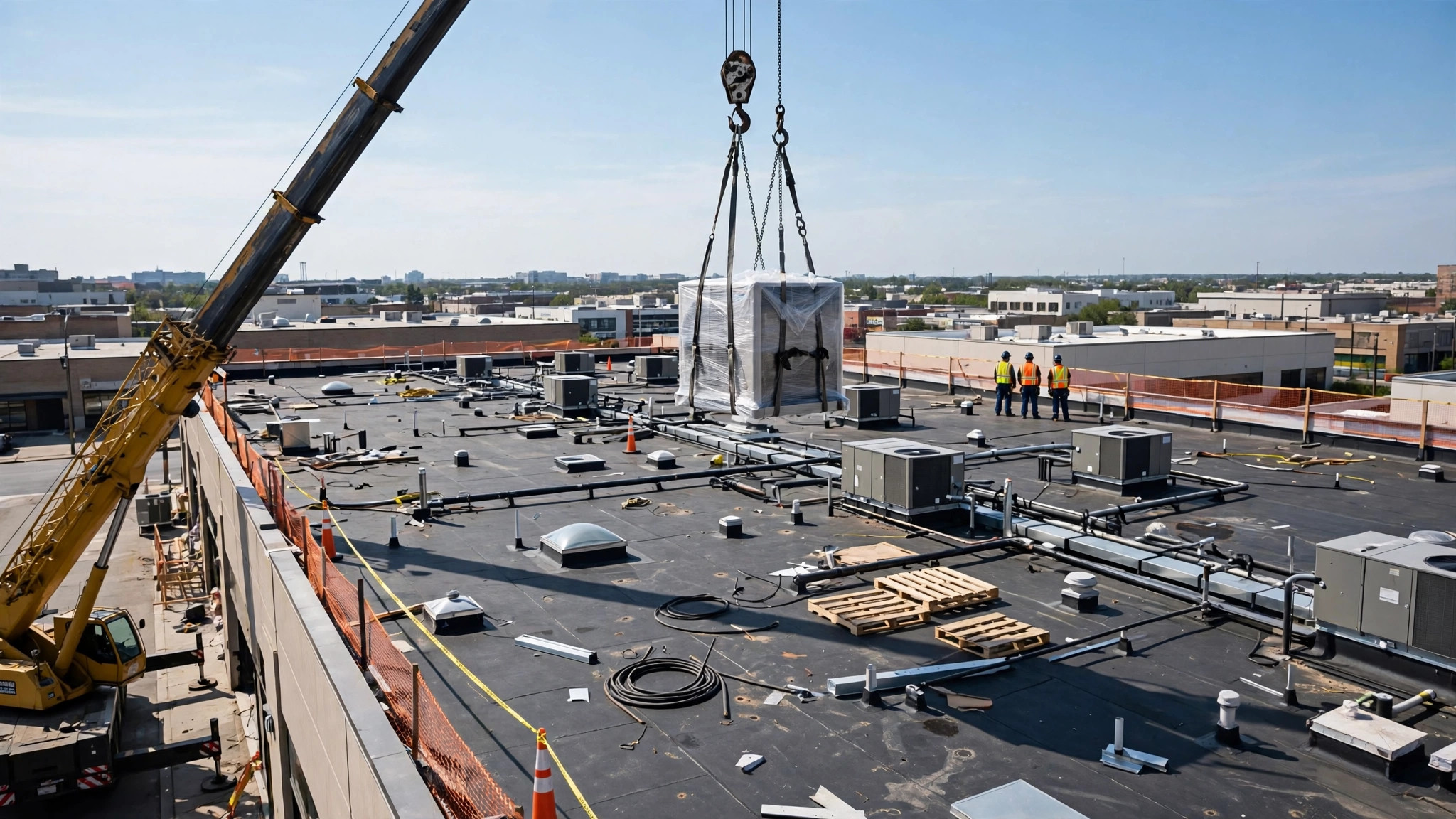
Fact three, large systems cost much more. Big rooftop units, multi-zone splits, and systems needing crane work, curb adapters, or electrical upgrades climb well into five figures and beyond.
Fact four, efficiency level moves the price. High-efficiency matched sets cost more up front. They pay back through lower monthly bills, especially on equipment that runs long hours.
Fact five, the cost to replace ac unit and coil includes more than parts. Labor, refrigerant, line set work, electrical updates, permits, and old equipment disposal all sit in the total. Ask for an itemized quote.
Fact six, emergency replacement costs more. A failed unit in a heat wave means premium labor rates and rushed equipment orders. Planning the replacement ahead saves money and stress.
Fact seven, the coil type matters. Standard evaporator coils cost less than specialized coils for high humidity, corrosive environments, or tight spaces. Your application decides the coil spec.
Cost Factors Checklist for cost to replace ac unit and coil
Use this checklist to compare quotes.
- System capacity. Tonnage is the main price driver.
- Efficiency rating. Higher SEER2/EER2 models cost more.
- Refrigerant type. Current refrigerants and compatible components.
- Line set. Reuse, flush, or replace refrigerant lines.
- Electrical. Panel capacity, disconnects, and wiring updates.
- Mounting. Roof curb adapters, pads, or structural work.
- Permits and inspections. Local mechanical permit fees.
- Disposal. Removal and recycling of old equipment.
- Controls. Thermostat or building automation updates.
- Warranty. Parts and labor coverage terms.
Repair or Replace: Making the Call
Consider the age. If the system is past fifteen years and needs a major component, the cost to replace ac unit and coil often beats another repair. New equipment brings better efficiency and a fresh warranty.
Consider the refrigerant. Systems on phased-down refrigerants face rising service costs and parts scarcity. Replacement ends that treadmill.
Compare the numbers. If the repair estimate approaches half the replacement cost on aging equipment, replacement usually wins. Ask the contractor for both numbers in writing.
Consider efficiency gains. A new matched set can cut cooling energy use noticeably versus a worn old system. Multiply the monthly savings by the equipment’s expected life to see the real comparison.
What the cost to replace ac unit and coil Should Include
A proper quote for the cost to replace ac unit and coil covers more than two boxes. Understanding the full scope helps you compare bids and avoid surprise extras.
The matched equipment set is the core. The outdoor unit and indoor coil must be rated to work together. The submittal should show the combined efficiency rating, not just individual component specs. If a bidder proposes mismatched parts to cut the cost to replace ac unit and coil, reject it. The savings evaporate in lost efficiency and voided warranties.
Refrigerant line work is always part of the job. Existing lines get inspected, flushed, and pressure-tested, or replaced when they are damaged, undersized, or contaminated. New line sets add material and labor. The quote should state which approach applies and why.
Electrical work is common. New units may draw different amperage than the old ones. The quote should cover disconnects, wiring, and breaker changes as needed. An electrical permit and inspection are normal parts of the project.
The condensate system needs attention. The indoor coil produces water that must drain reliably. The cost to replace ac unit and coil should include clearing, repairing, or replacing the drain line and pan. A new coil connected to a clogged drain is a leak waiting to happen.
Controls and thermostats round out the scope. New equipment may need updated controls to deliver its rated efficiency. At minimum, verify the existing thermostat is compatible. Many owners use the project as the moment to upgrade to smarter controls.
Startup and commissioning prove the work. The technician should verify refrigerant charge, measure airflow, check electrical values, and confirm the controls sequence. A written startup report is part of a professional job. Do not accept a handshake as commissioning.
Permits, disposal, and warranty paperwork close the project. The old unit and coil contain refrigerant that must be recovered by law. Disposal fees are legitimate line items. Warranty registration should be completed and documented. When you evaluate the cost to replace ac unit and coil, confirm every one of these items appears in the quote. A bid missing half the scope is not cheaper. It is incomplete, and the missing pieces will appear later as extras at higher prices.
Warranties and the cost to replace ac unit and coil
Warranty terms affect the true cost to replace ac unit and coil. Most manufacturers offer multi-year parts coverage on matched systems, but the fine print matters. Registration is often required within a set time after installation. Skipping registration can cut the coverage period sharply. Maintenance requirements are common too: the warranty may demand professional service at set intervals with records to prove it. Labor warranties come from the contractor and vary widely, from one year to much longer on premium installations. Get both warranties in writing before work starts, and calendar the registration and maintenance deadlines. A strong warranty on a properly installed system is worth real money over its life.
One More Tip on the cost to replace ac unit and coil
Get the replacement quote in the off season when you can. Contractors have more availability, equipment lead times are shorter, and you avoid emergency premiums. Planning ahead is the simplest way to keep the cost to replace ac unit and coil under control.
Related Guides
For the broader decision, read AC repair vs replace commercial. For cost context, see commercial HVAC repair cost. And for service help, see commercial AC repair.
For independent background, ENERGY STAR explains efficiency ratings for commercial cooling, and the U.S. Department of Energy covers replacement planning.
FAQ
Why replace the coil if only the outdoor unit failed?
Matched components protect efficiency, reliability, and warranty coverage. Mismatched parts often perform poorly and can void the new unit’s warranty.
How long does the replacement take?
Most commercial unit and coil replacements take one to two days. Crane work, curb modifications, and electrical upgrades can extend the schedule.
Can I reuse the refrigerant lines?
Sometimes. Lines in good condition can be flushed and reused. Damaged, undersized, or contaminated lines should be replaced. Your contractor should inspect them.
Will a new system lower my bills?
Usually yes. New matched equipment runs more efficiently than a worn old system. The savings depend on the efficiency jump and your operating hours.
What warranty should I expect?
Most manufacturers offer multi-year parts warranties on new matched systems. Labor warranties come from the contractor. Get both in writing.
Next Steps
Now you understand the cost to replace ac unit and coil and why the pair goes together. Get itemized quotes from qualified contractors that specify capacity, efficiency, refrigerant, and warranty. Compare repair versus replace math honestly, and plan the project before failure forces your hand. A new matched system delivers reliable cooling, lower bills, and peace of mind for years.



