
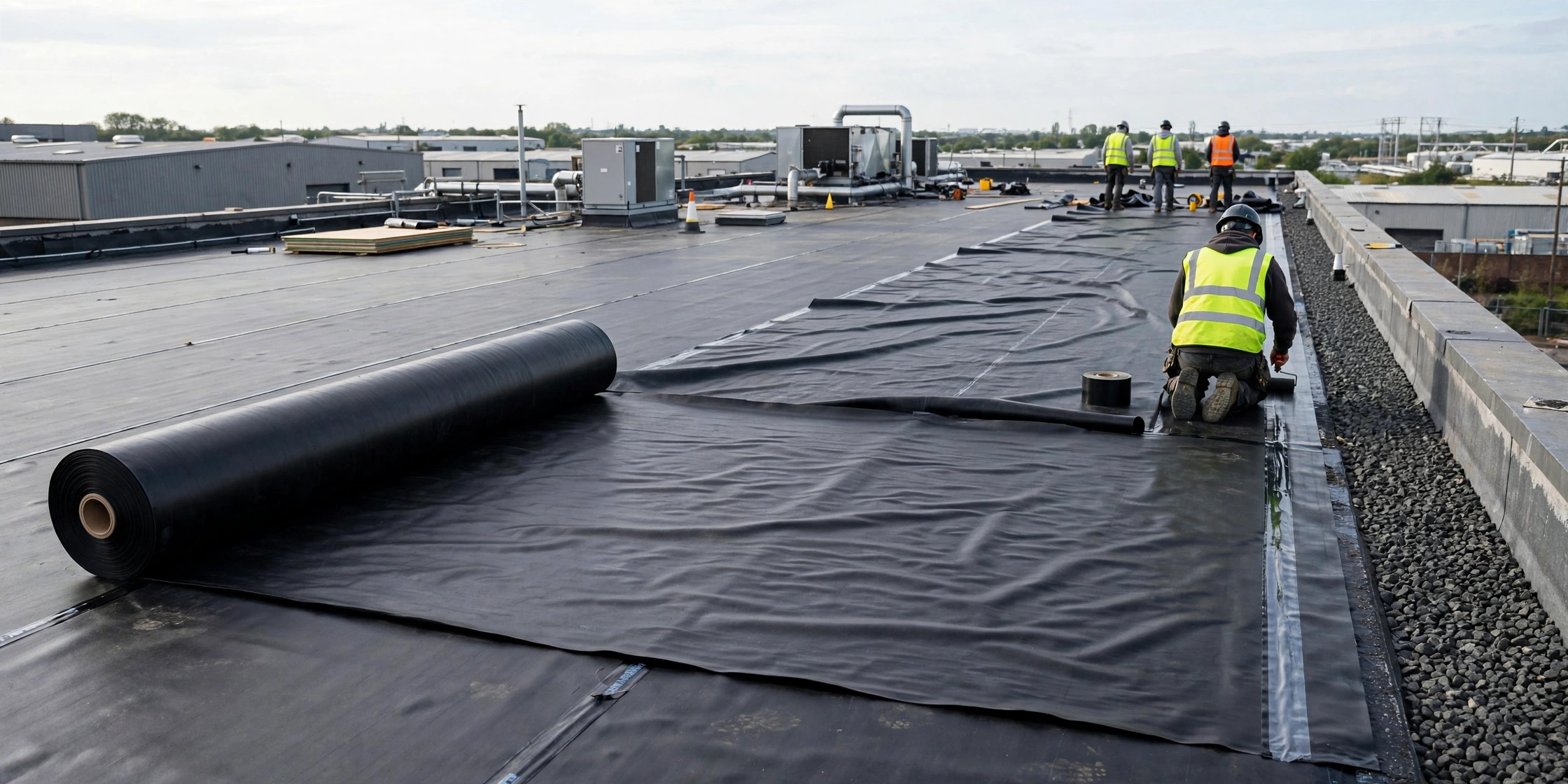
An epdm membrane is the black rubber roof you see on countless commercial buildings. EPDM has been roofing American warehouses, offices, and factories for decades, and it keeps earning its place. Owners who want proven performance at a fair price often land here.
This guide covers seven facts every owner should know about the epdm membrane, from buying decisions to installation methods to daily care. Whether you are replacing a roof or maintaining one, these facts will help you get full value.
Fact 1: The epdm membrane Has the Longest Track Record
Among single ply roofs, the epdm membrane has been in service the longest. Decades of real world performance mean few surprises. Installers know the material inside out. Repair techniques are proven. Manufacturers have deep data on how it ages.
That history matters when you are spending serious money. Newer materials may perform well, but only time proves a roof. With EPDM, the proof already exists on millions of square feet across the country. For risk averse owners, that track record is the top selling point.
Fact 2: Cold Weather Is Where It Shines
The epdm membrane stays flexible in freezing temperatures that stiffen other materials. It handles freeze thaw cycles, snow loads, and ice without cracking. Northern building owners have relied on this trait for decades.
In warm climates the black color is a drawback, absorbing heat and raising cooling costs. White coated EPDM exists but costs more. If your building sits where winters are harsh and summers mild, an epdm membrane is a natural fit. Match the material to your climate and the choice gets easy.
Fact 3: Thickness Choices Change the Value
An epdm membrane comes in 45, 60, and 90 mil thicknesses. Thicker costs more upfront and delivers more puncture resistance and often longer warranties. For roofs with regular foot traffic, 60 or 90 mil is worth the premium.
Do not buy thickness you do not need, but do not skimp where traffic is real. Walk the paths your service workers take to rooftop units. If those paths see weekly traffic, thicker membrane plus walkway pads is the smart buy. Your contractor should recommend thickness based on actual roof use, not just price.
Fact 4: Seams Make or Break the Roof
An epdm membrane joins at seams using tape or adhesive systems, not heat welding. Modern seam tapes create strong lasting bonds, but only with proper prep: clean surfaces, correct primer, and firm pressure with a roller.
Seam quality is the top thing to check when hiring. Ask contractors how they prepare seams and how they verify the work. Good crews check seams as they go and fix weak spots immediately. Most EPDM leaks trace back to seams or flashing, not the sheet itself. For existing seam issues, see our EPDM roof repair guide.
Fact 5: Three Installation Methods Fit Different Budgets
An epdm membrane installs three ways. Ballasted systems lay the sheet loose and hold it with stone. This is fast and cheap in labor, but heavy, so the structure must be verified. Finding leaks under stone takes more work.
Mechanically fastened systems screw the membrane to the deck. This is the common middle ground: cost effective, reliable, and suitable for many decks. Fastener patterns get denser in high wind zones.
Fully adhered systems glue the sheet down. This gives the best wind resistance, smoothest finish, and easiest leak detection. Labor costs the most, but performance is top tier. Your deck type, wind zone, and budget point to the right method.
Fact 6: Cost Sits at the Low End of Single Ply
An epdm membrane usually costs less installed than TPO or PVC. That value proposition drives many buying decisions. But compare wisely: divide each bid by expected service years to get cost per year. A slightly pricier thicker EPDM that lasts 30 years beats a thin one lasting 18.
Watch energy costs in the math. In hot climates, the black surface raises cooling bills versus white membranes. In cool climates, that penalty shrinks or reverses. The National Roofing Contractors Association provides technical comparisons at nrca.net.
Fact 7: Maintenance Is Simple but Not Optional
An epdm membrane needs twice yearly inspections like any commercial roof. Clear debris, check drains, look for punctures and open seams, and inspect flashing at every penetration. Keep petroleum products away: grease and oils break down the rubber.
Use walkway pads on traffic routes. They are cheap insurance against the punctures that cause most service calls. After other trades visit the roof, take a quick look. A five minute check catches the dropped tool damage before it becomes a leak.
Document everything. Photos, dates, and repair receipts protect your warranty and prove care at sale time. A steady commercial roofing maintenance routine is what turns a 20 year roof into a 30 year roof.
Buying Checklist for an epdm membrane Roof
Use this checklist when you request bids:
- Membrane brand, thickness in mils, and color named in writing.
- Attachment method with wind rating for your zone.
- Insulation type and R value included in the system.
- Seam system specified: tape brand and application method.
- Full flashing scope for penetrations, edges, and parapets.
- Walkway pads included on service traffic paths.
- Warranty term, coverage level, and maintenance requirements.
- Contractor’s EPDM project references with addresses.
Get three bids and compare the full scope. A qualified commercial roof repair contractor with deep EPDM experience will welcome detailed questions. Vague bids and pressure tactics are reasons to walk away.
Repair Basics Owners Should Know
Small EPDM repairs are straightforward. Punctures get cleaned, primed, and patched with matching material. Open seams get re taped. Flashing issues get rebuilt. A skilled roofer handles most repairs in a single visit.
Do not ignore small damage. Water entering through a puncture travels under the membrane and shows up far from the entry point. Fast repairs stay cheap. Slow repairs become interior damage, mold, and tenant complaints.
Keep a few spare pieces of membrane from the original install for patch material. Matching material makes better repairs. Note the membrane brand and thickness in your roof file so future roofers order correctly.
Safety applies to every roof visit. Falls injure more roofers than any other hazard. OSHA fall protection requirements for low slope work are explained at osha.gov. Make sure everyone on your roof follows them.
Planning Your EPDM Project
Timing your project well saves money and hassle. Late spring through early fall offers the best weather for membrane work in most regions. Adhesives and tapes need proper temperatures to cure, so winter installs can be tricky and slow. Plan ahead and book your contractor early, since good roofers fill their schedules months in advance.
Prepare the building for the work. Notify tenants of the schedule, expected noise, and any access limits. Clear the areas below roof hatches and make sure the contractor has staging space for materials and a dumpster. If the project includes tear off, confirm daily cleanup expectations in writing so the site stays safe and tidy.
Budget beyond the bid. Set aside a contingency of around ten percent for hidden deck damage found during tear off. Old roofs sometimes hide rotted sections that only appear once the old system comes up. A contingency keeps the project moving without stressful renegotiation in the middle of the job. Discuss how change orders will be priced before work starts.
Frequently Asked Questions
How long does an epdm membrane last?
Twenty five to 30 years is common with quality materials and maintenance. Some well cared roofs last longer. Thickness, drainage, and inspection discipline decide where yours lands.
Is black EPDM bad for energy bills?
In hot climates it raises cooling costs versus white membranes. In cool climates the effect is small. White EPDM and reflective coatings are options where cooling dominates. The Department of Energy discusses roof reflectivity at energy.gov.
Can grease damage an epdm membrane?
Yes. Petroleum based products including kitchen grease break down EPDM. Buildings with grease exhaust need protection, frequent cleaning, or a different membrane. Tell your contractor about rooftop contaminants before choosing.
What is the best thickness?
Sixty mil suits most commercial roofs with normal traffic. Ninety mil fits heavy traffic and harsh exposure. Forty five mil works for simple low traffic roofs on tight budgets but punctures more easily.
Can I walk on an epdm membrane?
Yes for maintenance access, but limit traffic to walkway pads. Repeated walking wears any membrane. Set clear paths to equipment and enforce them with every trade that visits the roof.
Next Steps
You now know the seven key facts about the epdm membrane, from its unmatched track record to its weakness around grease. If your building is in a cooler climate and value matters, EPDM deserves a top spot on your shortlist. Start with a professional roof inspection, then get three detailed bids from experienced EPDM contractors. Compare thickness, attachment, and warranty terms carefully. With proper installation and twice yearly care, an epdm membrane will protect your building for decades.



